You Don't Need to Train Hard Every Day
Hard training feels productive. But it's not always effective. Progress comes from stress, recovery, and repeat. If you skip recovery, you skip improvement. Easy days are part of the plan — not a weakness.
Generate structured cycling workouts with HR zone intervals, cadence targets, and progressive loading. Road, gravel, or indoor — fully configured for your setup.
Generate a Free Cycling Plan No credit card required. Free to get started.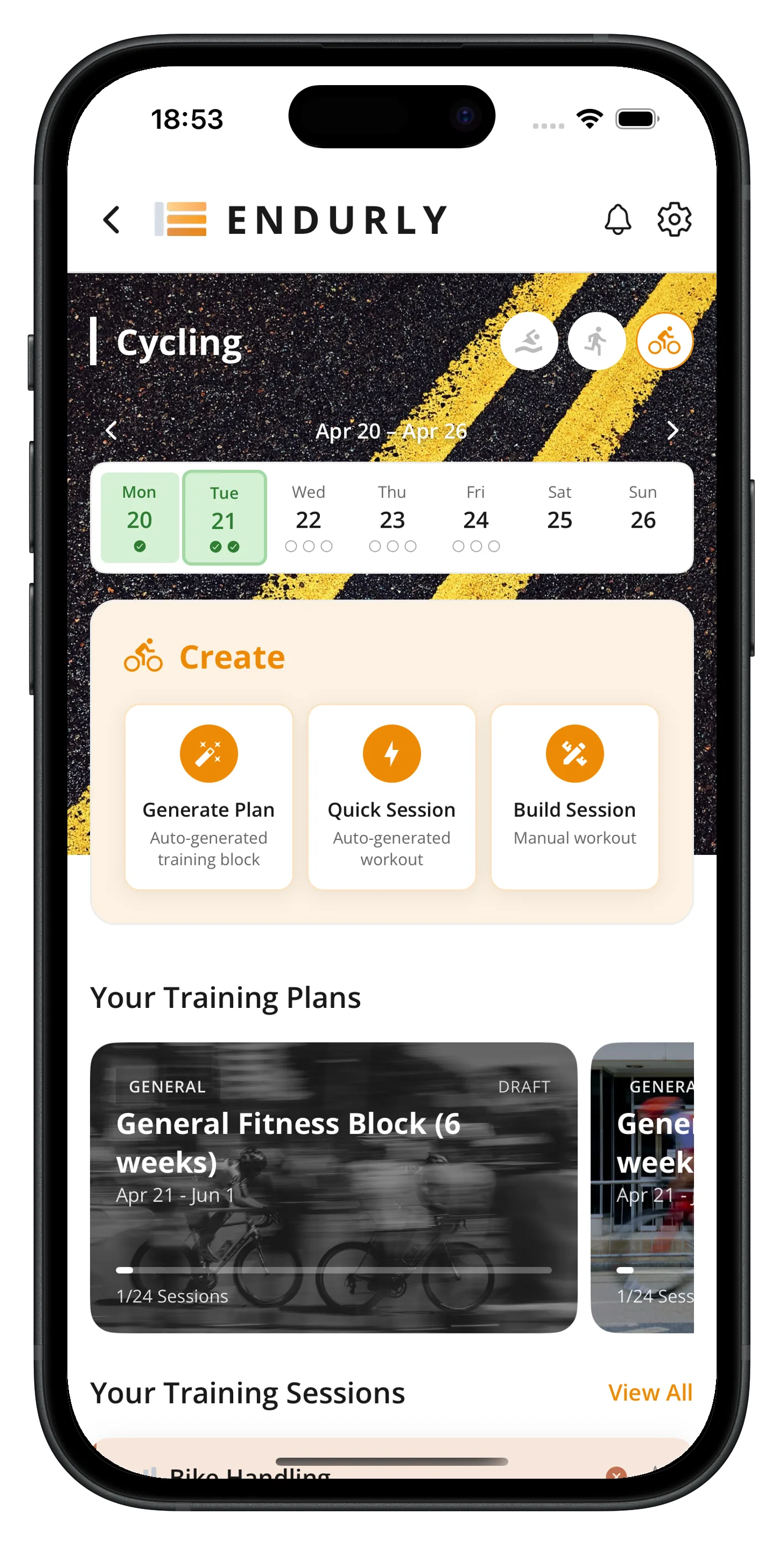
Features
Sessions reference HR zones aligned with FTP-based intensity levels. Every interval has a clear effort target for structured training.
High-cadence drills, strength efforts, and sweet spot work are built into sessions based on your training goal and level.
Choose between road, gravel, mountain bike, or indoor trainer. Sessions adapt their structure and duration targets accordingly.
Training blocks scale effort over weeks, gradually building aerobic base and threshold capacity through progressive interval loading.
App Screenshots
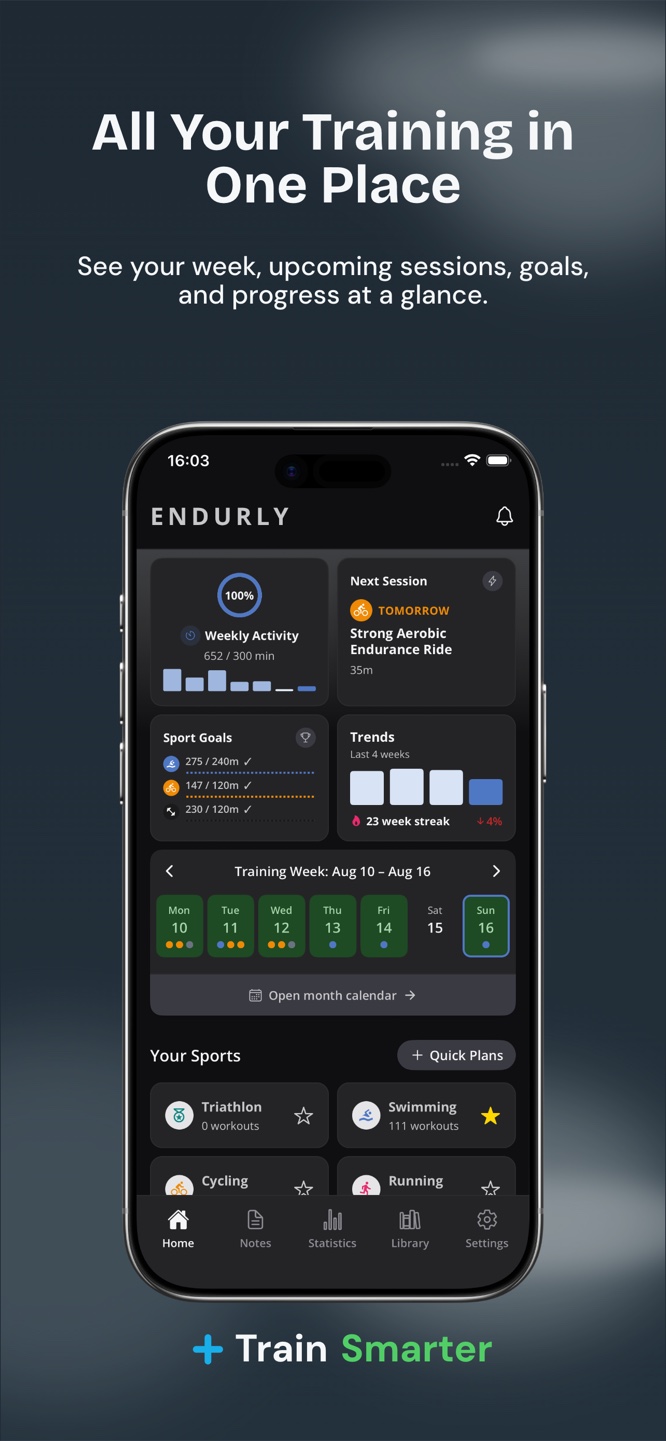
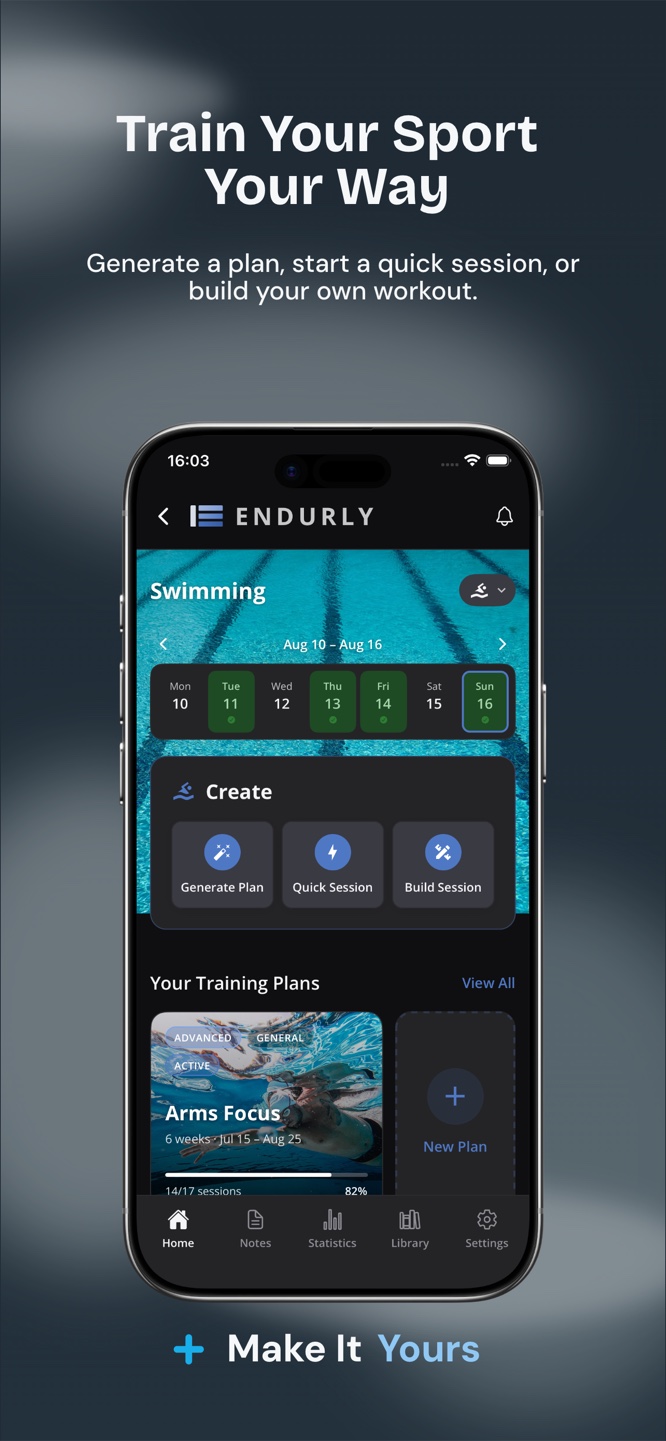
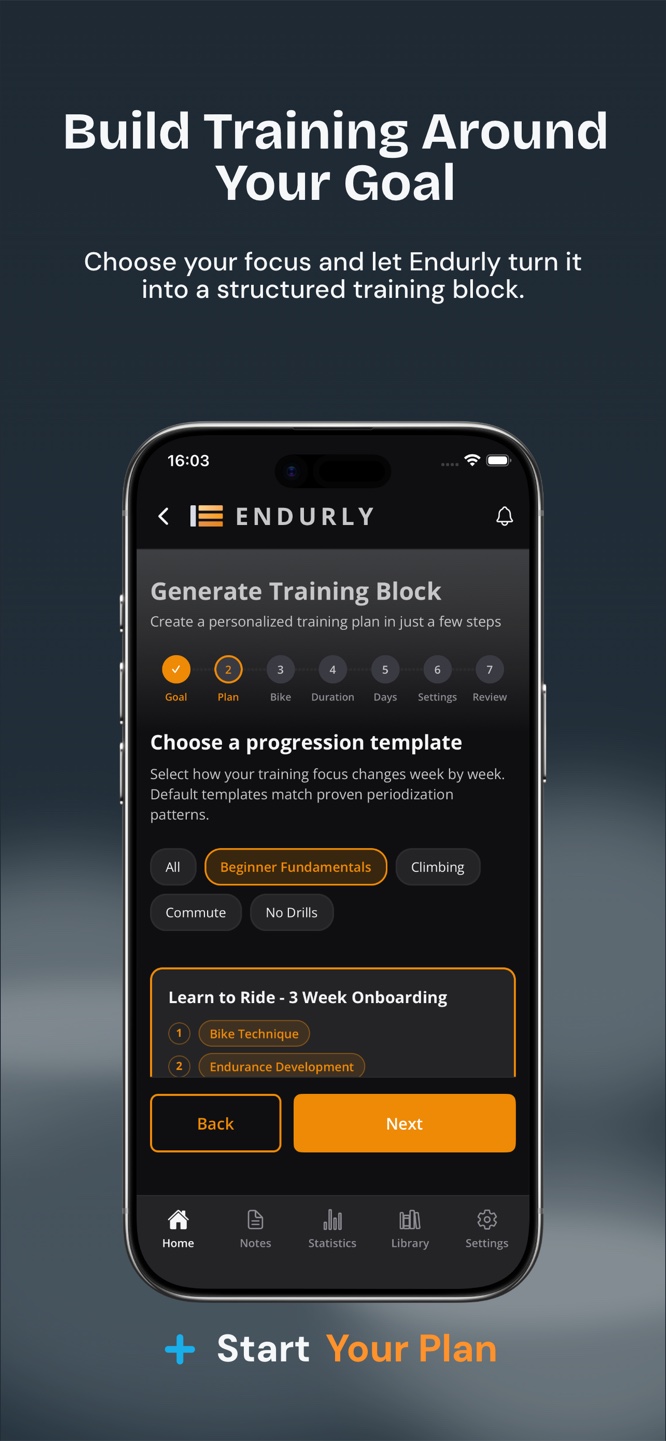
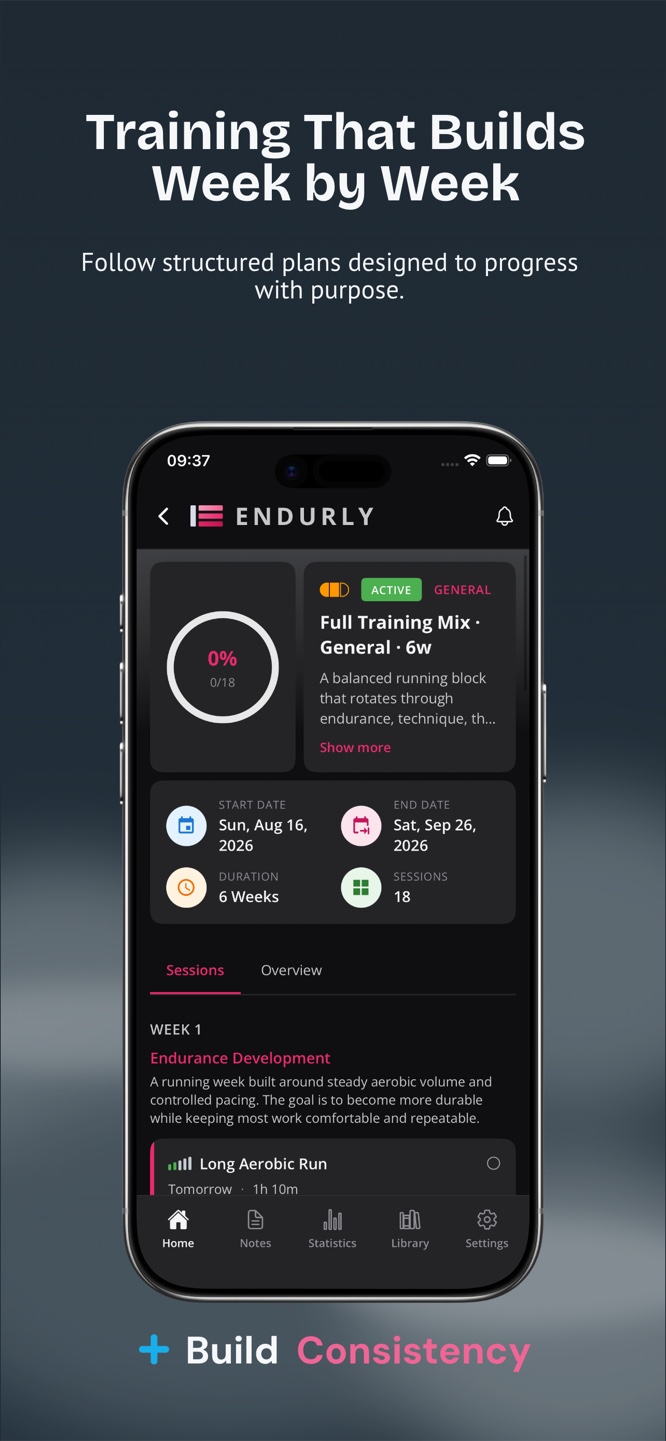
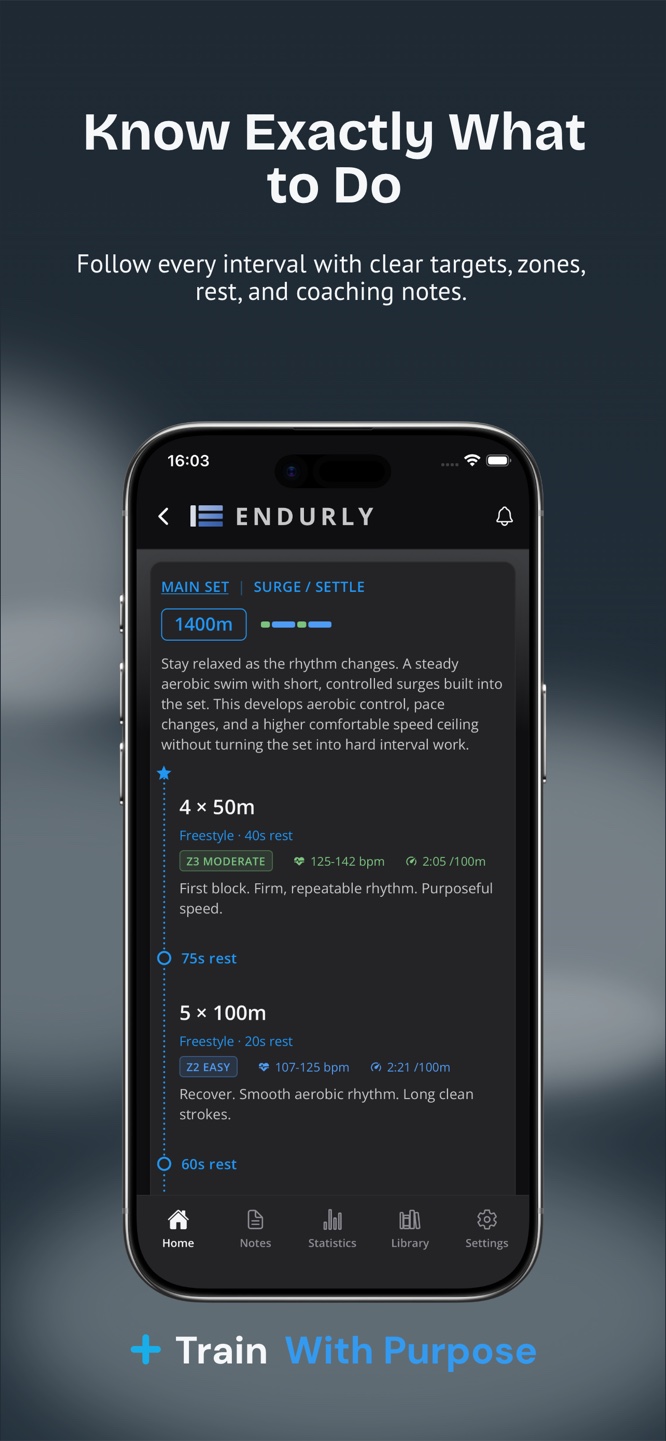
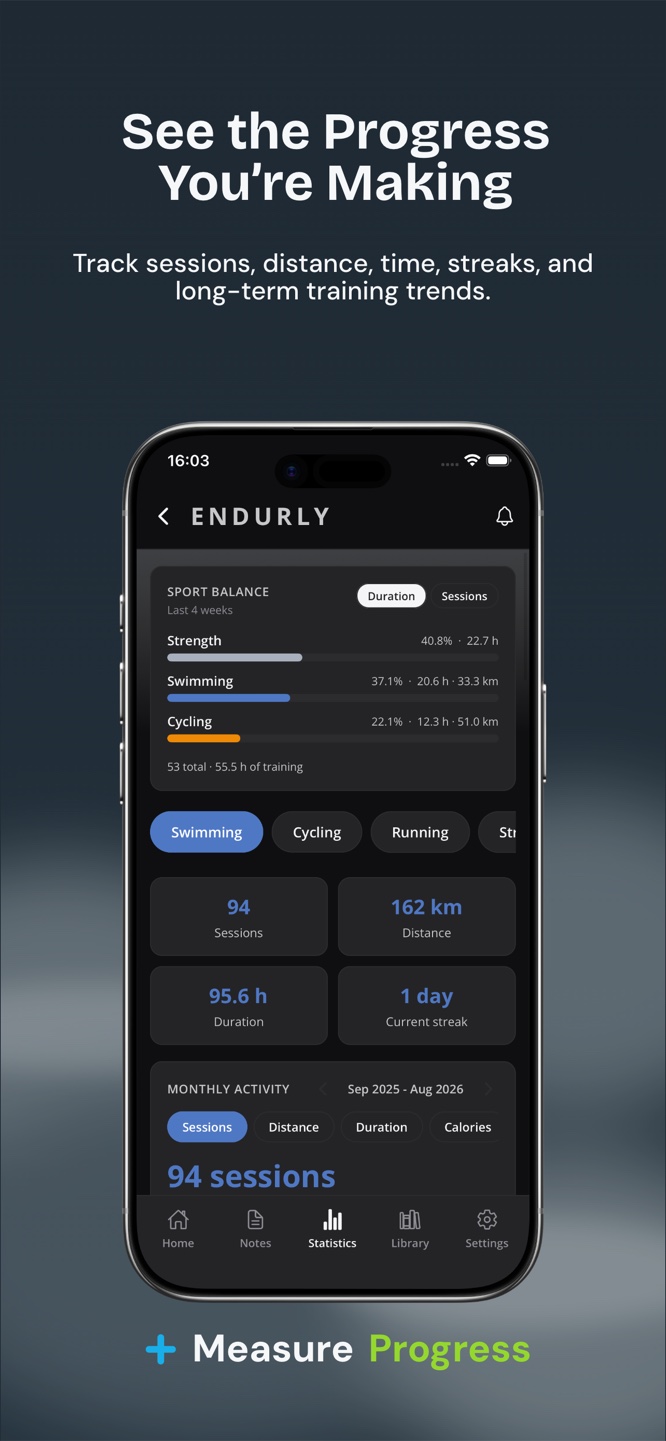
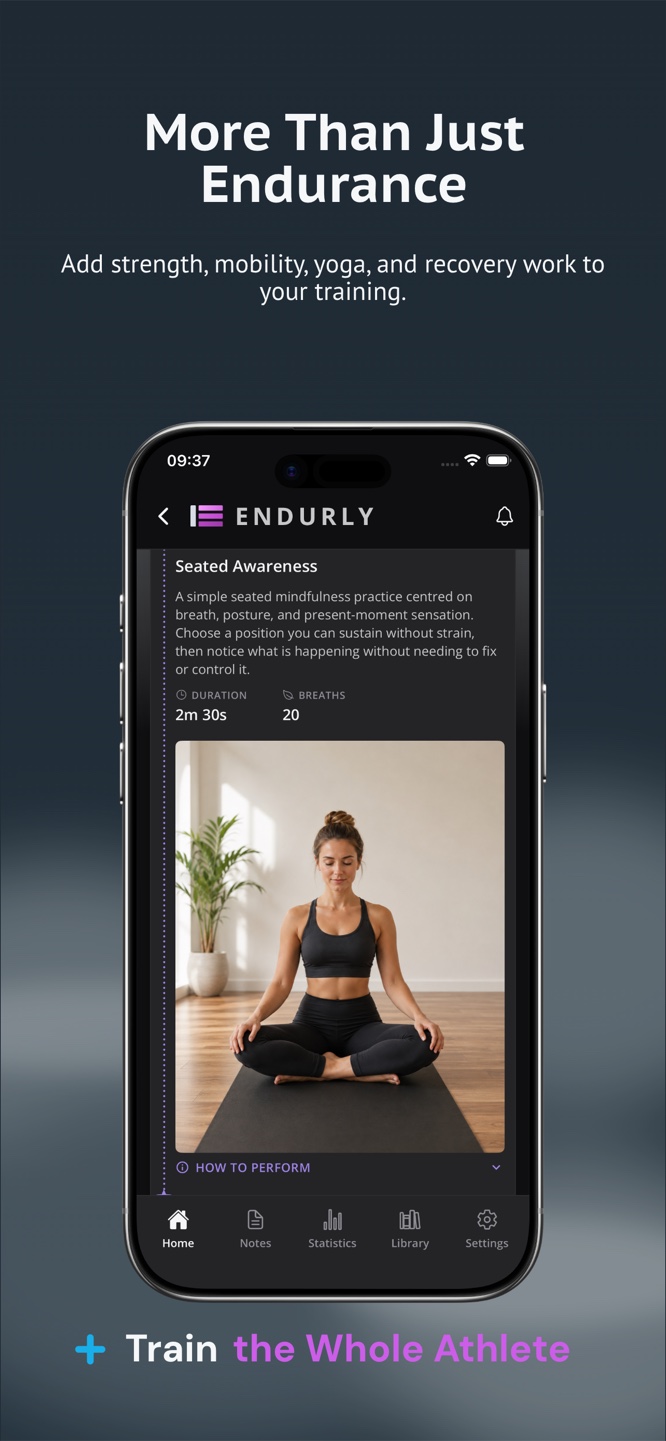
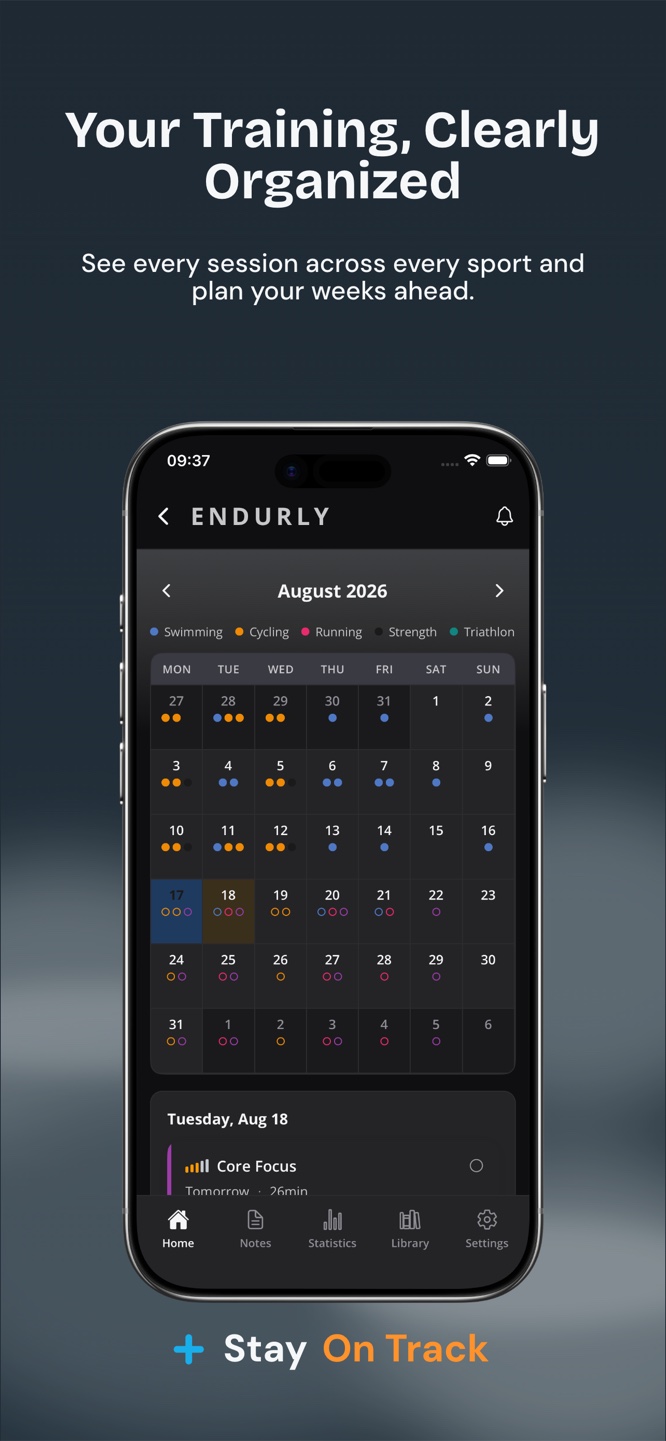
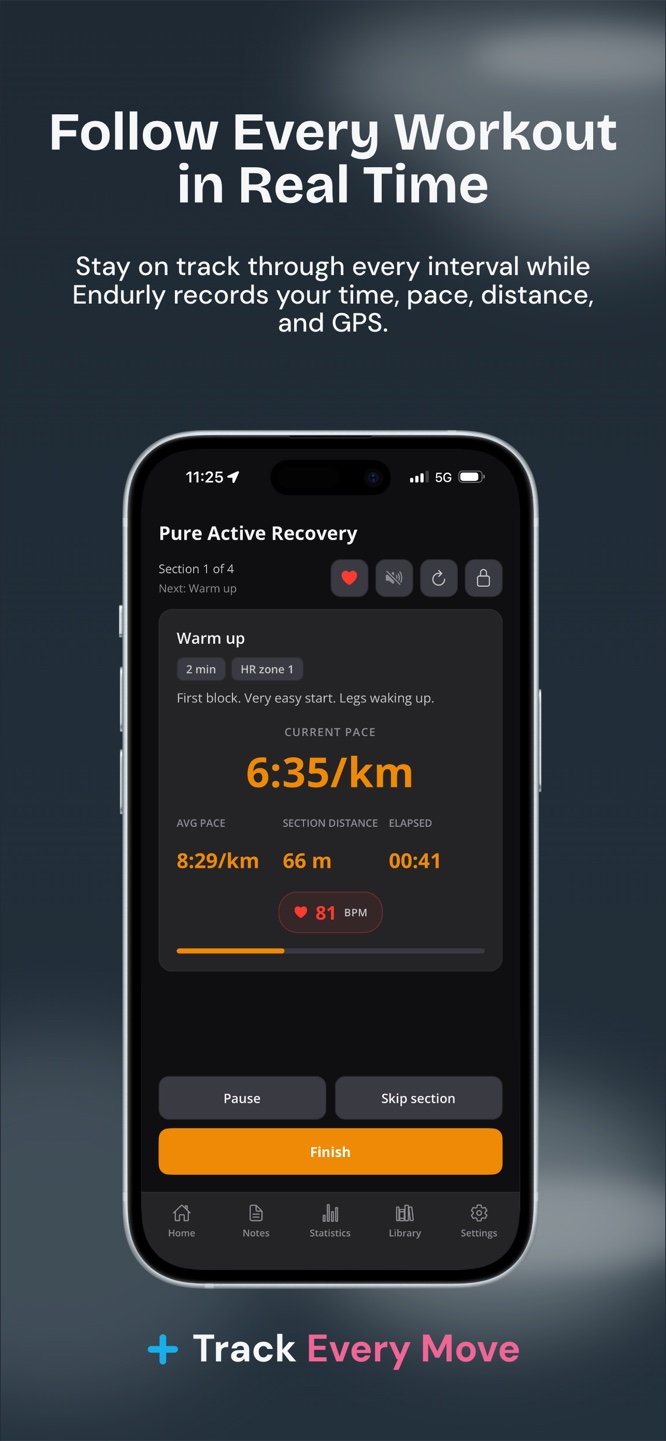
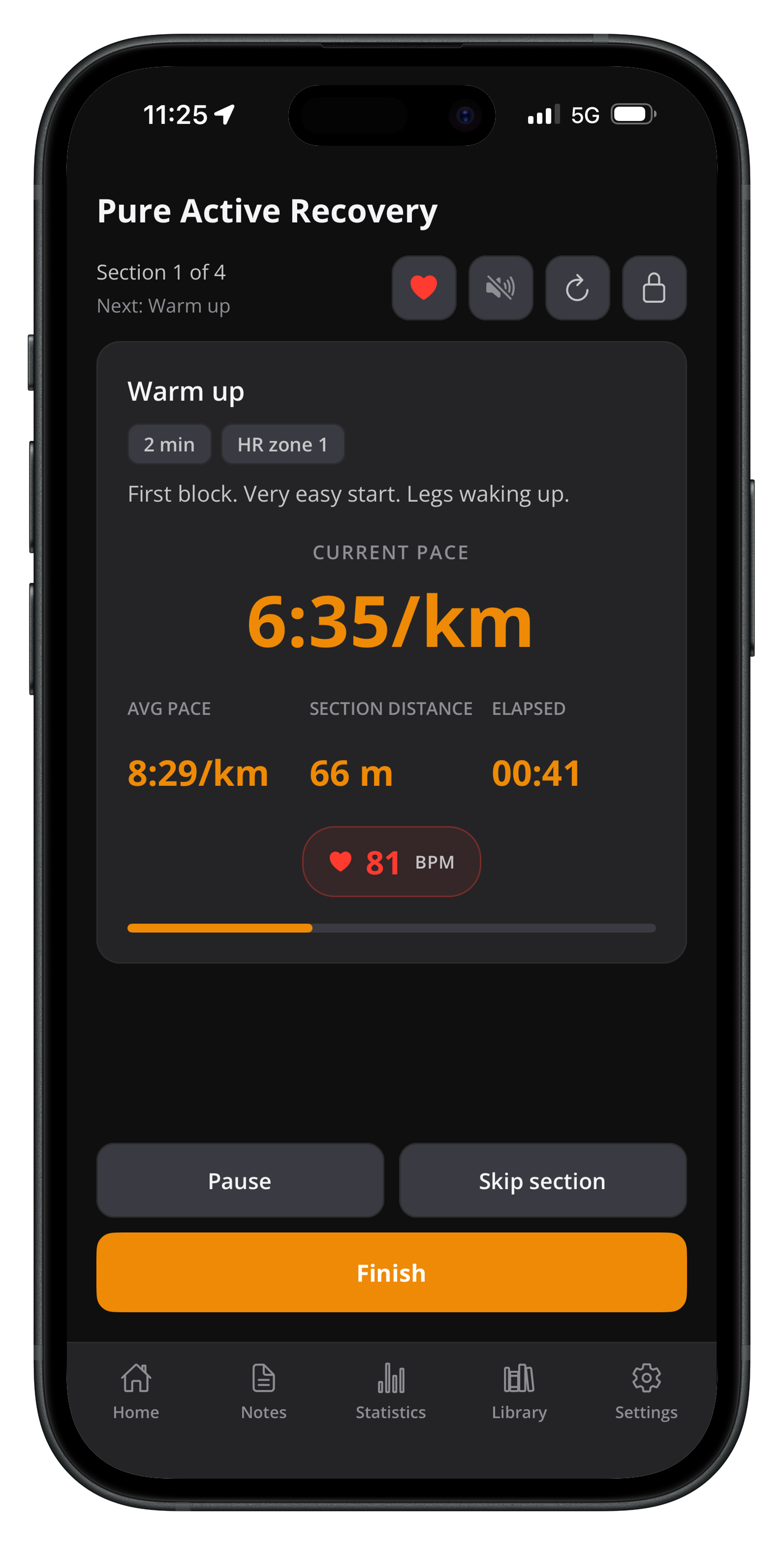
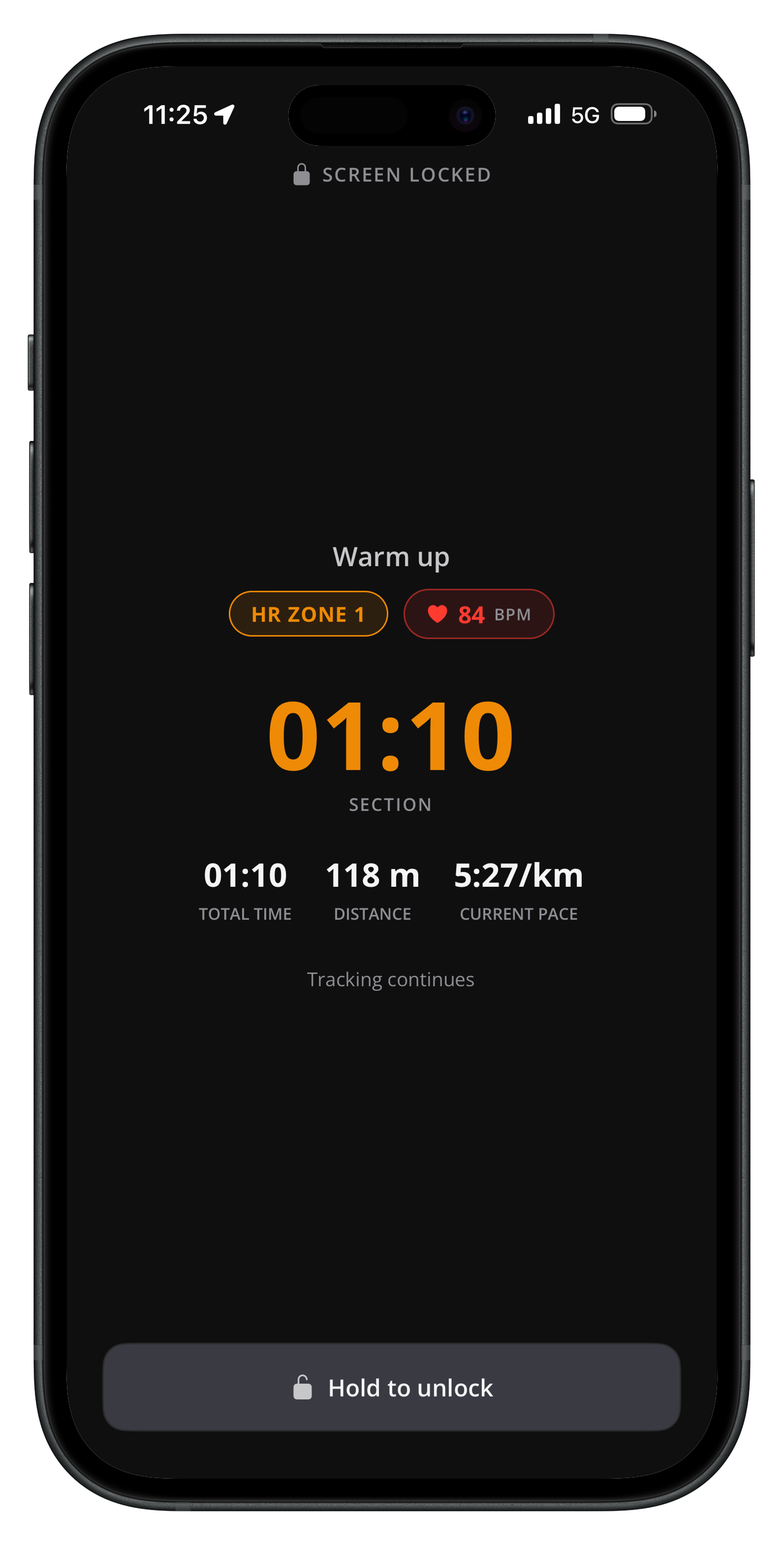
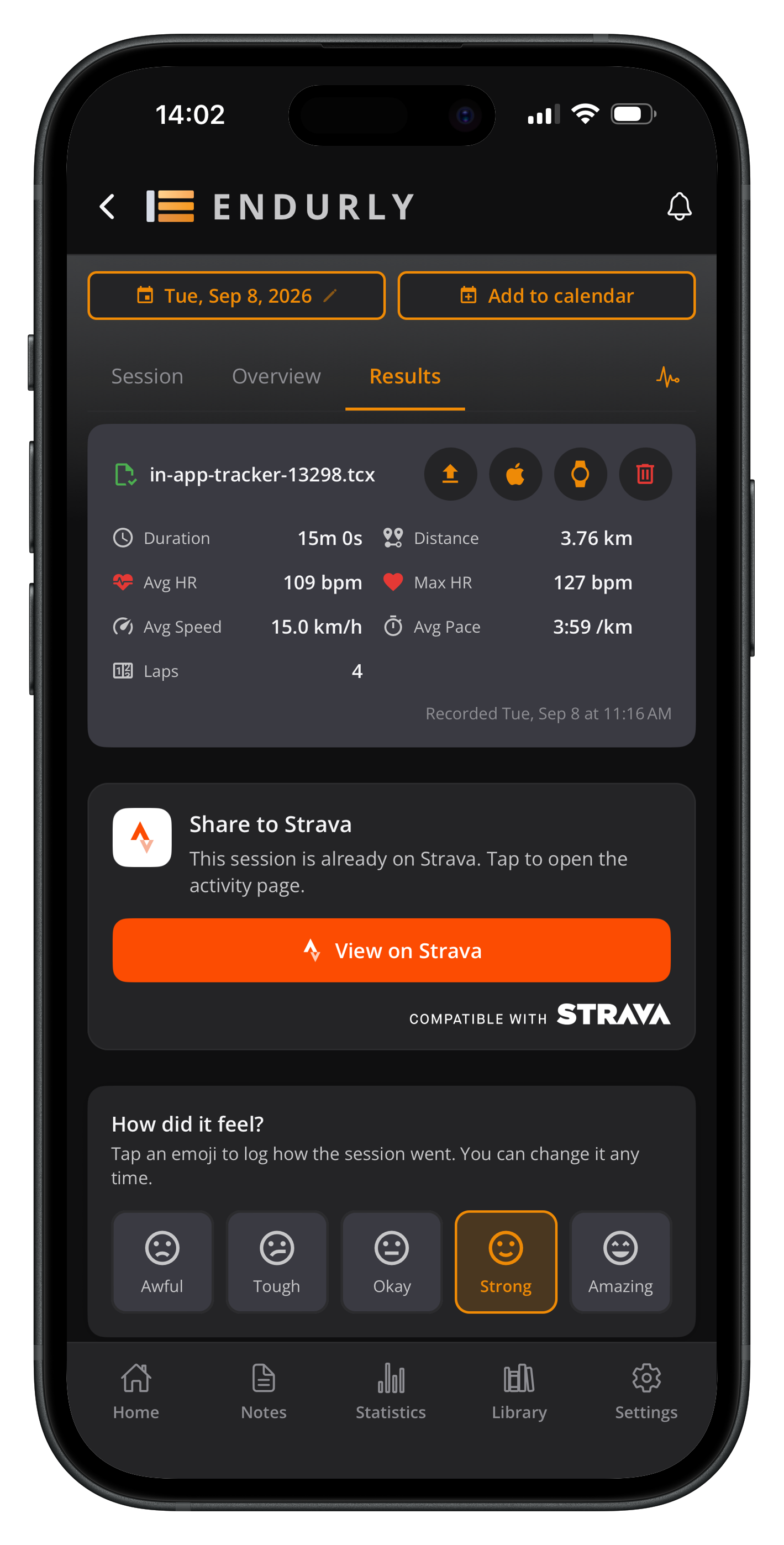
In the tracker
How It Works
Select your bike type and training goal — aerobic base, threshold work, or race preparation.
Pick your training days, session duration range, and whether you ride indoors, outdoors, or both.
Receive a complete multi-week plan with structured intervals, HR zone targets, and weekly progression.
Cycling is the easiest of the three endurance sports to train with hard numbers because the bike isolates output cleanly: power meters and indoor trainers turn pedalling into a precise watts reading, and the relationship between watts and threshold capacity is the foundation of every modern training plan. Endurly's cycling generator works in this language. You set your functional threshold power (FTP) — the highest average watts you can hold for roughly an hour — and every session inside the block scales its targets from that single number. A sweet-spot interval comes out at 88-93% of FTP. A VO2 effort lands at 110-120%. Aerobic-base mileage stays well below 75%. The numbers are consistent across the block so you can see whether your threshold is rising over time, not just whether the workout felt hard.
Without an FTP, the generator falls back to heart-rate zones, which still produces a coherent plan — most cyclists who don't ride with power can still pin sessions to perceived exertion or to HR drift. Endurly also imports FTP from Intervals.icu when you connect that integration, so if you already track power elsewhere the value comes in automatically and stays current. The session card surfaces all three target types where they apply: the watts target, the HR zone, and the cadence range. On supported head units the FIT export carries the same targets so the device prompts you mid-interval. Indoor riders get the same structure with structured ERG-mode files. There is no spreadsheet to maintain because the generator owns the math.
Threshold training is where most cyclists live for the bulk of a serious block. The classic spread is sweet spot (88-93% FTP), threshold (93-105% FTP), and VO2 (105-120% FTP), each with its own interval shape and recovery profile. Sweet spot work delivers the highest training stimulus per minute of fatigue — you can do an hour of it on a Saturday and recover by Monday — which is why it dominates the build phase of most plans. Threshold work is where the actual lactate clearance system gets trained, but it costs more and limits how much volume you can sustain around it. VO2 work is for the ceiling: it's painful, it's short, and it shifts the top of the engine that everything else gets multiplied against. Endurly rotates the three across the block, weighted toward sweet spot in the build phase and shifting toward VO2 closer to a peaking event.
FTP itself drifts. After a block of focused threshold work, expect to see your FTP rise by 5-15 watts depending on your starting fitness — newer riders see bigger jumps, trained riders see smaller but still meaningful ones. Endurly prompts you to re-test every 6-8 weeks; the standard 20-minute test is fine, the ramp test is fine, the 8-minute pair test is fine. What matters is updating your profile so the next block scales against the new anchor. Without a re-test, sweet spot becomes too easy and threshold becomes only sweet spot — the stimulus drifts down even though the workouts look the same on paper. The re-test prompt is in the dashboard, takes one indoor session, and keeps the next block honest.
Below FTP work sits the unglamorous foundation of every serious training block: aerobic base mileage. These are the long Z2 rides where almost nothing eventful happens — your heart rate stays in the 65-75% range, the conversation flows, and the watts feel embarrassingly easy. They are also what most amateur cyclists skip because the immediate fatigue feels minimal and they confuse 'easy' with 'unproductive'. The reality is that aerobic base rides develop the slow-twitch muscle fibre, the mitochondrial density, and the fat-burning machinery that everything else gets built on. A rider with a deep aerobic base can absorb hard intervals because their recovery system is trained to clear lactate; a rider with a thin aerobic base bonks at hour two of any meaningful effort because the engine literally runs out of fuel.
Endurly programs aerobic base rides as steady Z1-Z2 efforts of varying duration depending on your time envelope. A weekday version might be 60 minutes of easy spinning; a Sunday long ride might be 2-3 hours of conversational pace. The generator does not let you skip them all — the session rotation reaches for endurance days deliberately because the block math depends on having that base in place. If you genuinely cannot fit a long ride in a given week, the system shifts the volume into the next interval session so the weekly load target still lands, but it also flags it so you know you're trading something. The discipline is in the consistency: aerobic base rides repeated for 8-12 weeks compound into a step-change in capacity, even when no individual ride felt like training.
Most cyclists in northern climates split their year between outdoor riding and indoor trainer work, and the worst plans treat them as separate sports. Endurly treats them as one. You set the bike type — road, gravel, mountain bike, indoor trainer — and the session structure adapts: indoor sessions skew toward concentrated interval work because you're not navigating traffic, outdoor sessions skew toward longer steady efforts because they happen in the real world. The targets stay the same — same FTP percentages, same HR zones, same cadence guidance — but the rep duration and rest interval shift to match what's realistic on the surface. A 4x10 sweet spot indoors becomes 2x20 outdoors when you have a longer continuous stretch of road; a VO2 indoor session of 8x3 becomes 4x4 outdoors where the warmup and cool-down absorb more time.
Indoor trainers also unlock proper structured workouts in any weather. The FIT export from Endurly drops directly into Zwift, TrainerRoad, MyWhoosh, or Wahoo SYSTM as a structured workout file, with the targets pre-loaded into ERG mode so the trainer holds the watts for you. That removes the most common point of failure in interval work — drifting watts when you're tired — and lets the session do what it was designed to do. For outdoor rides the same FIT exports to Garmin, Wahoo, and Hammerhead head units with the targets shown on the screen turn-by-turn. The plan is the plan; the surface just changes what the screen looks like. Combined with the recovery rides and base mileage, this is what makes a 12-week cycling block feel like progressive training rather than just hours in the saddle.
Training Insights
Hard training feels productive. But it's not always effective. Progress comes from stress, recovery, and repeat. If you skip recovery, you skip improvement. Easy days are part of the plan — not a weakness.
Intervals stop working when they become random. No structure means no progress. You need clear pace, clear recovery, and clear purpose. If every session feels different for no reason — it's noise, not training.
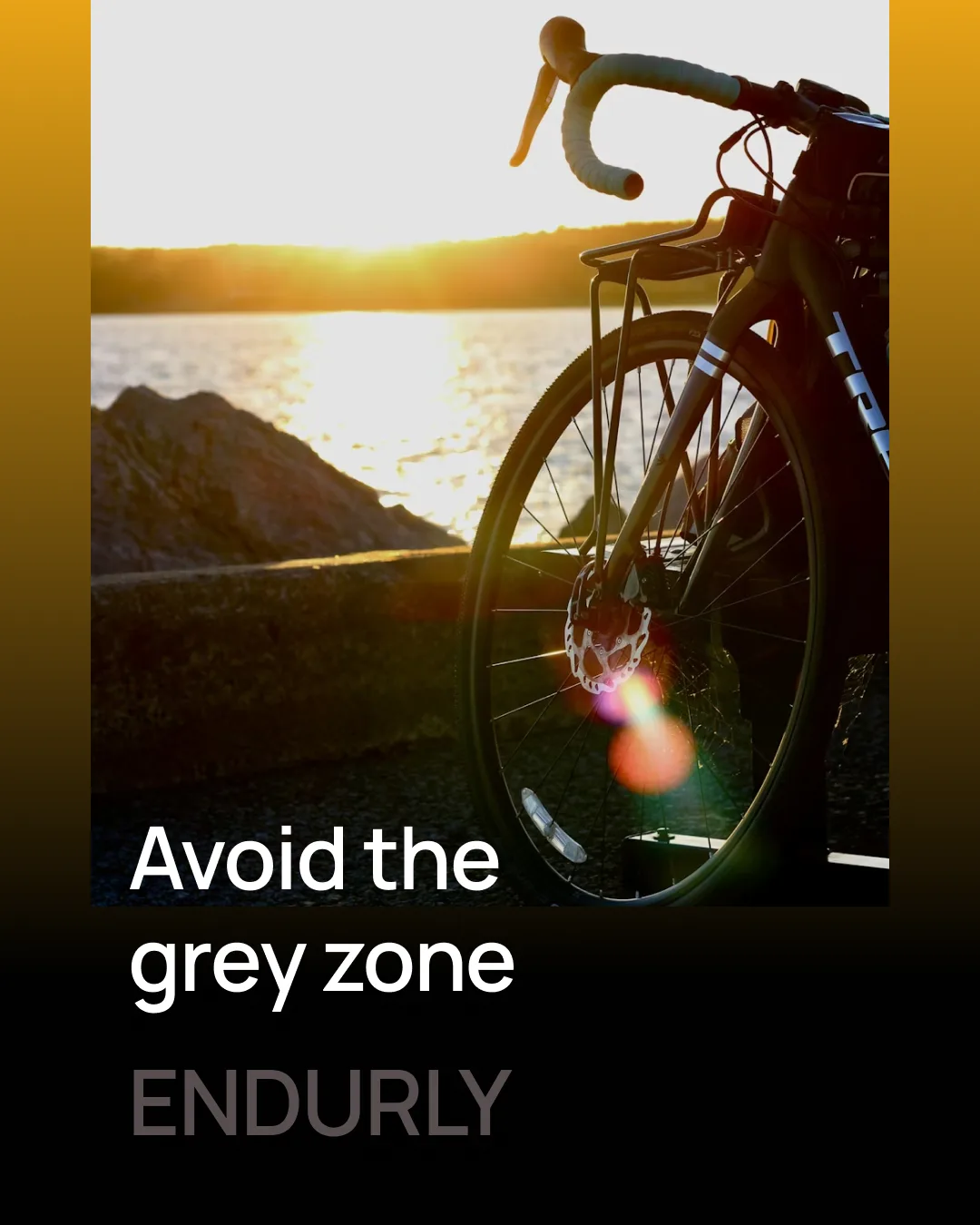
Most training happens in the middle. Not easy enough to recover, not hard enough to improve. That's the danger zone. Easy days should be easy. Hard days should be purposeful. Avoid the grey zone.
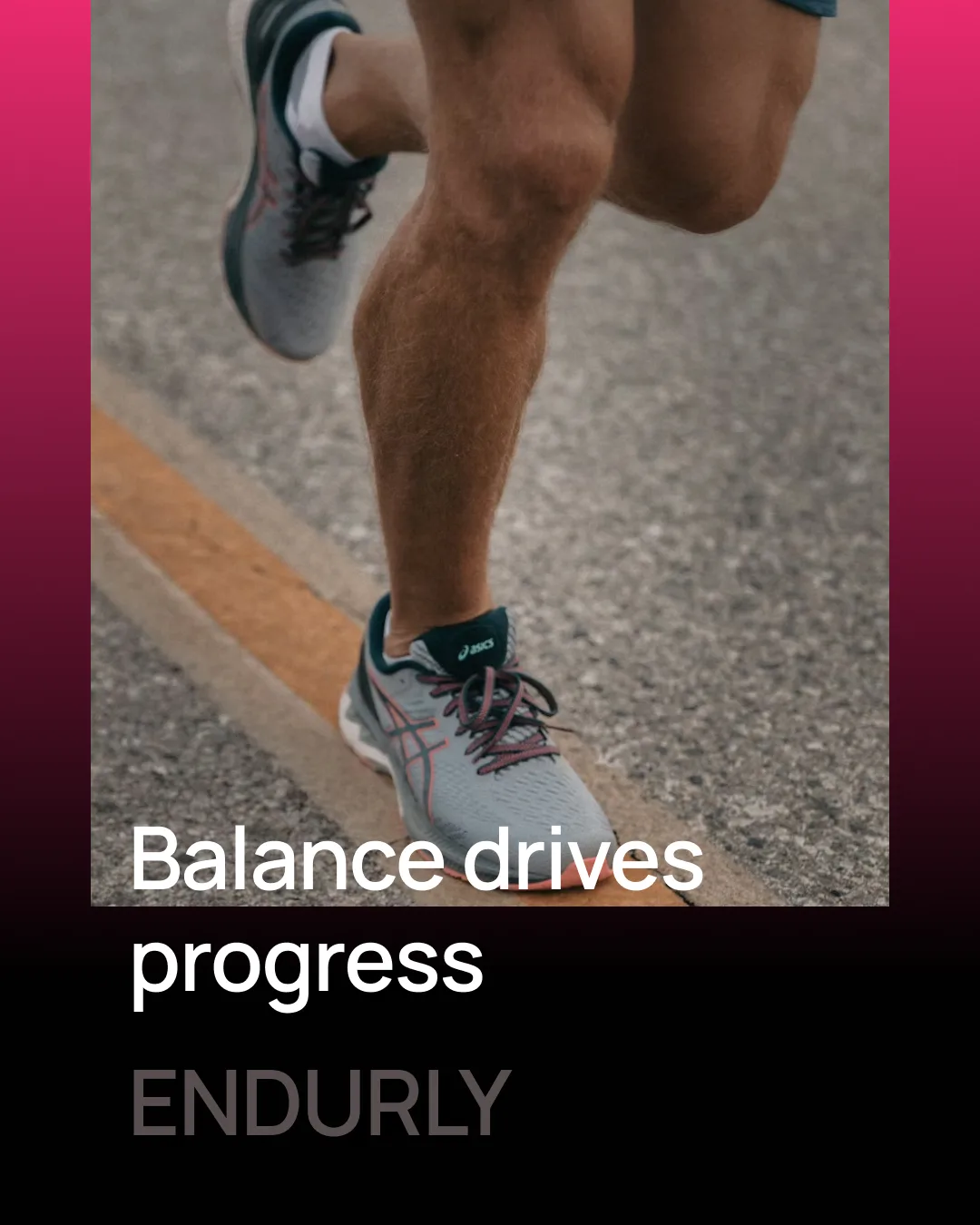
Feeling stuck usually means something is off balance. Too much intensity or not enough structure. Progress needs consistency, recovery, and clear sessions — not just more effort.
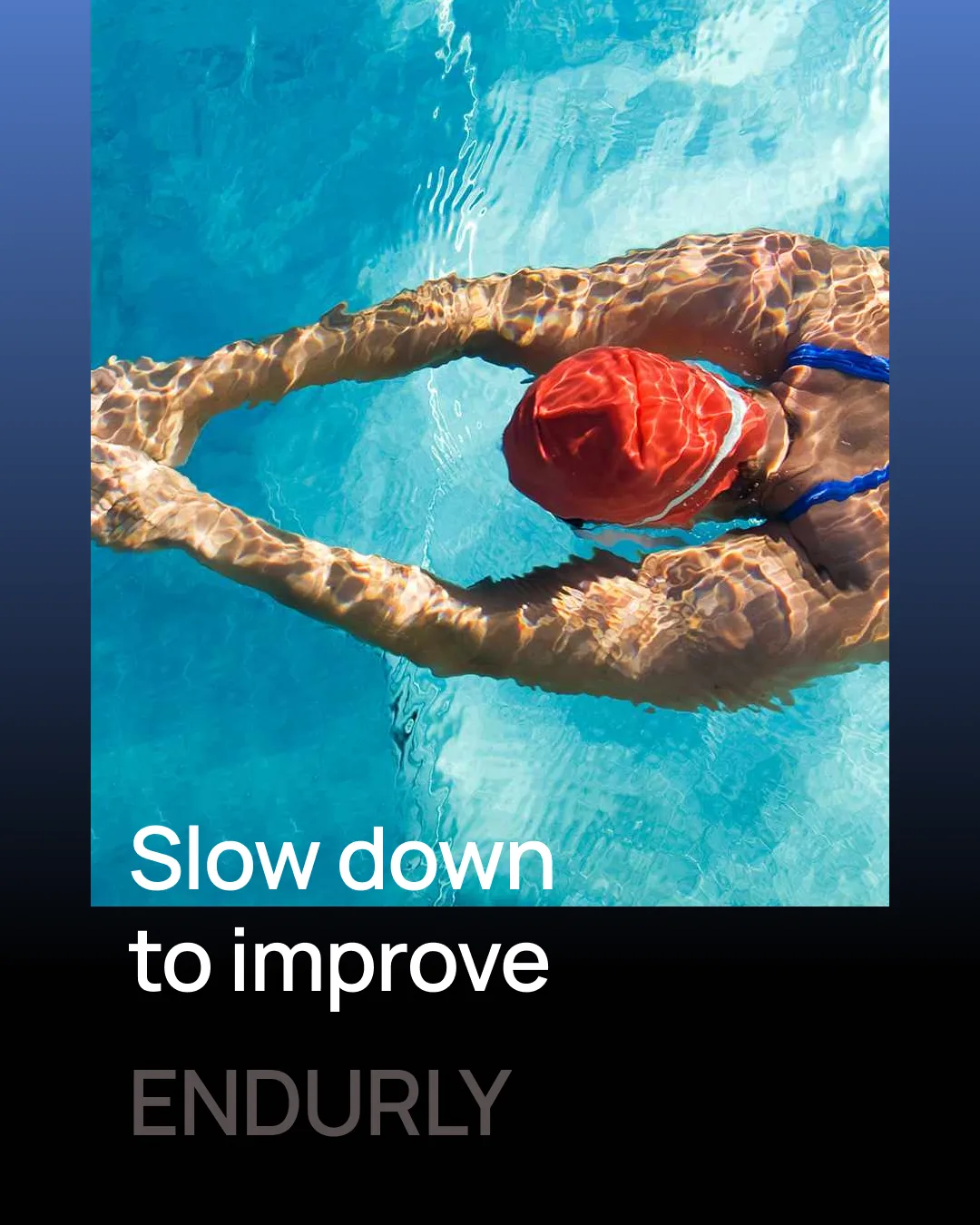
This is the most common mistake. If you can't talk easily, it's not an easy run. Slowing down feels wrong at first. But it builds the base. Run slower. Get faster.
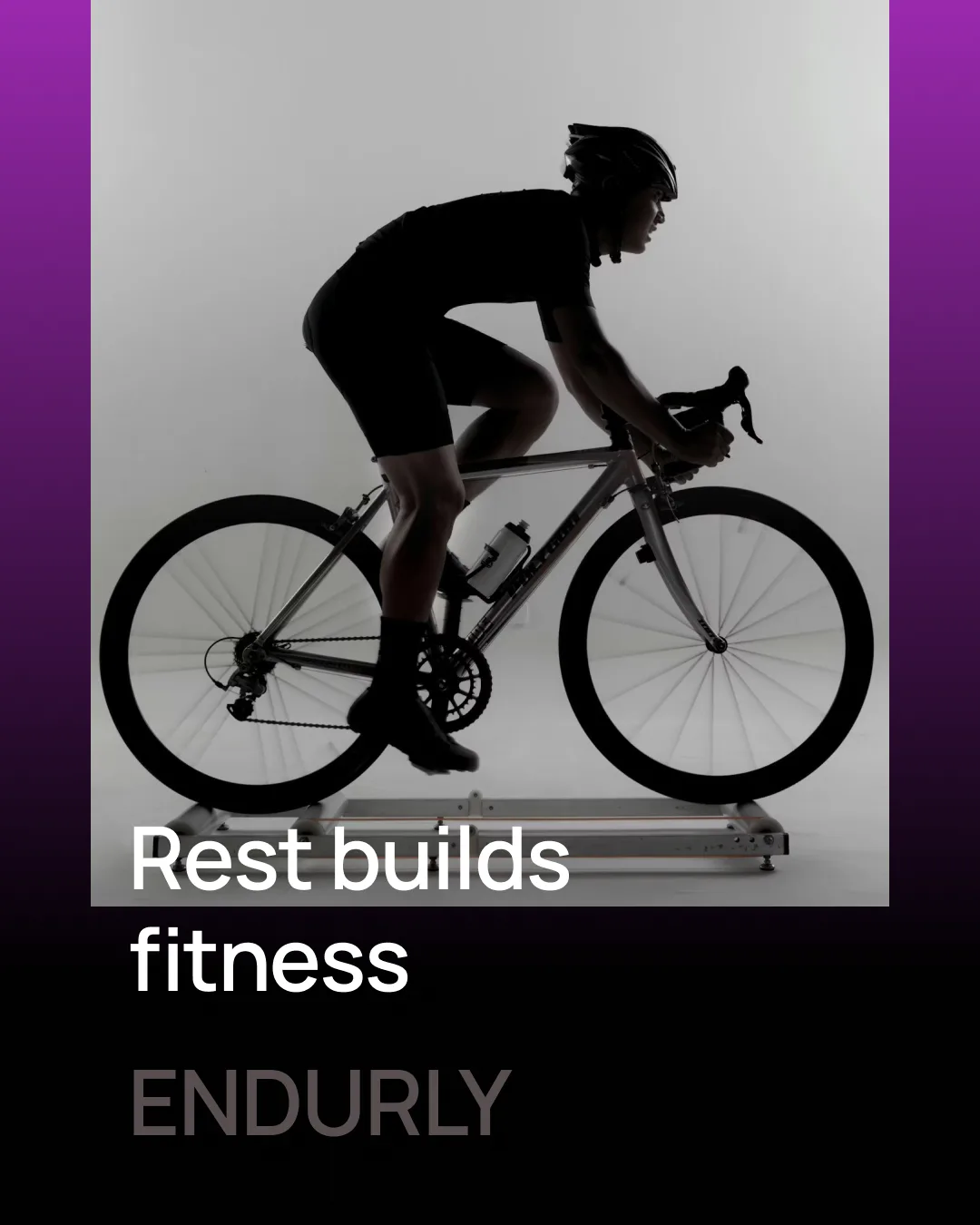
Rest is not doing nothing. It's part of the process. Training breaks you down. Recovery builds you up. Without rest, there is no adaptation. Rest days move you forward.
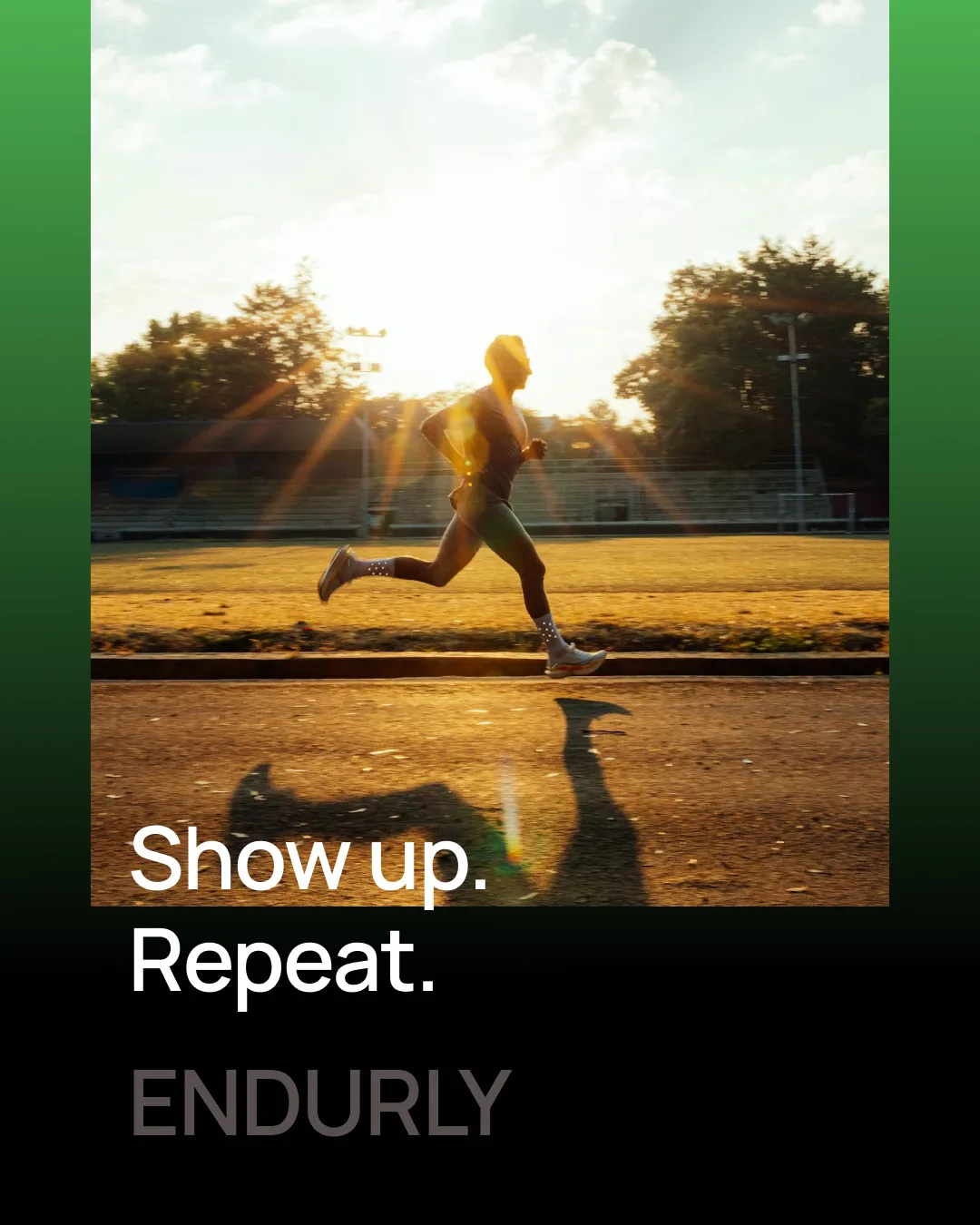
Motivation comes and goes. Consistency stays. You don't need perfect sessions — you need regular ones. Small sessions done often beat rare perfect workouts. Show up. Repeat.
Yes. Endurly is free to sign up and generate workouts. Optional premium features are clearly marked in the app.
Yes. Pick the beginner training level and Endurly scales every workout to a safe, foundational load with clear coaching cues.
Yes. Endurly exports to Garmin, Suunto, and Wahoo via native integrations and structured .FIT files.
No. Endurly generates a workout without personal zones and progressively personalises as you record sessions.
Create your free account and generate your first cycling plan in under a minute.
Start Cycling Free