You Don't Need to Train Hard Every Day
Hard training feels productive. But it's not always effective. Progress comes from stress, recovery, and repeat. If you skip recovery, you skip improvement. Easy days are part of the plan — not a weakness.
Generate structured strength sessions with movement-pattern programming, RPE / %1RM intensity targets, and full-body, push-pull-legs, or upper-lower splits. Built for endurance athletes who lift.
Generate a Free Strength Plan No credit card required. Free to get started.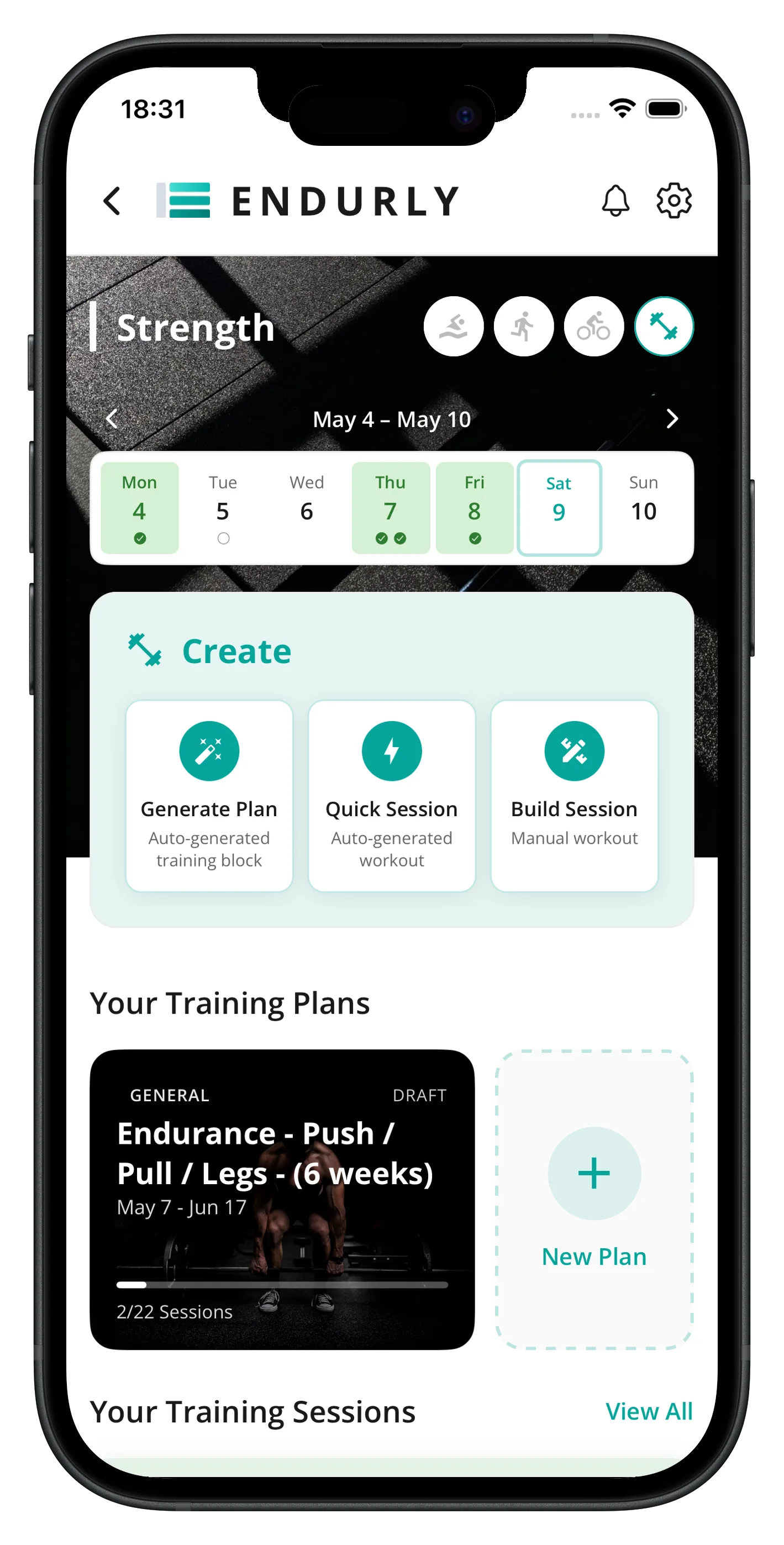
Features
Sessions are programmed around squat, hinge, push, pull, and core patterns — not isolated muscles — so you train the way the body actually works.
Each lift carries a clear intensity target. Use RPE for daily autoregulation or anchor to a tested 1-rep max — the system understands both.
Full-body, push-pull-legs, upper-lower, and accessory-only splits. The generator picks the shape that fits your training days and time budget.
Sets, reps, and intensity scale week over week. Deload weeks are scheduled, and re-test prompts keep your 1RM anchor honest.
App Screenshots
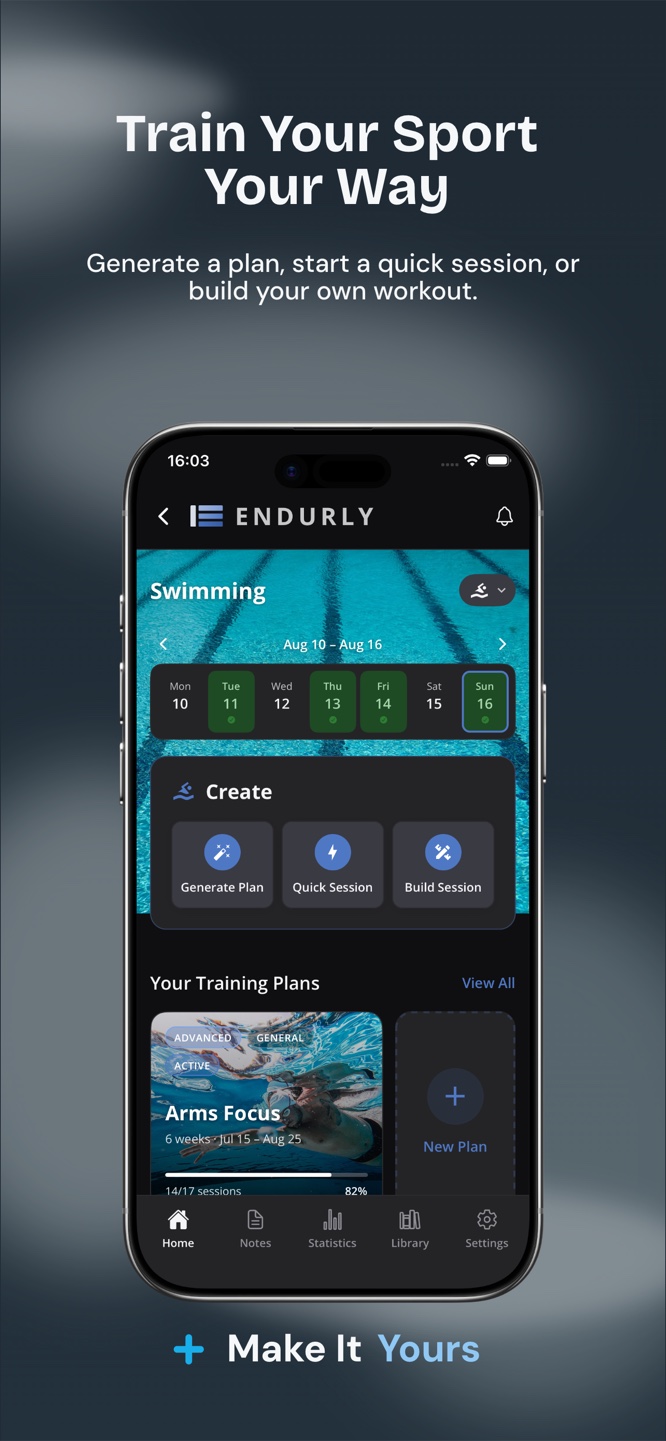
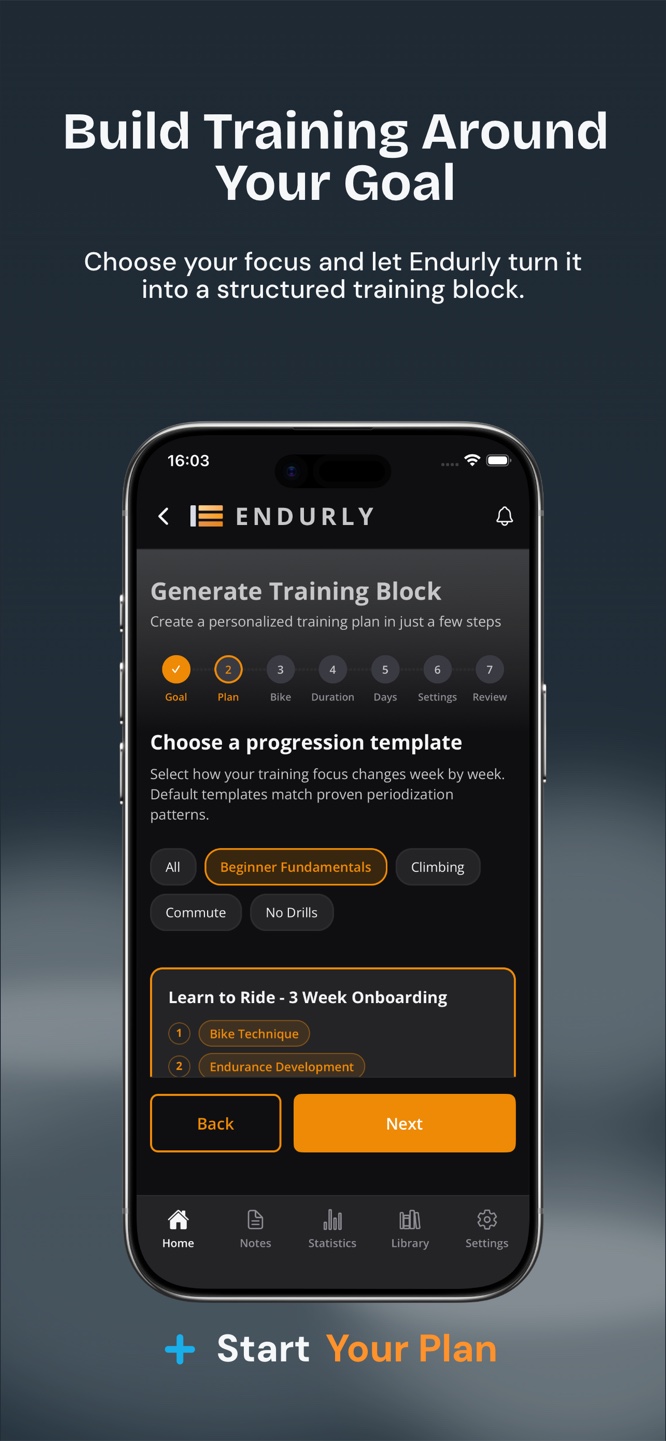
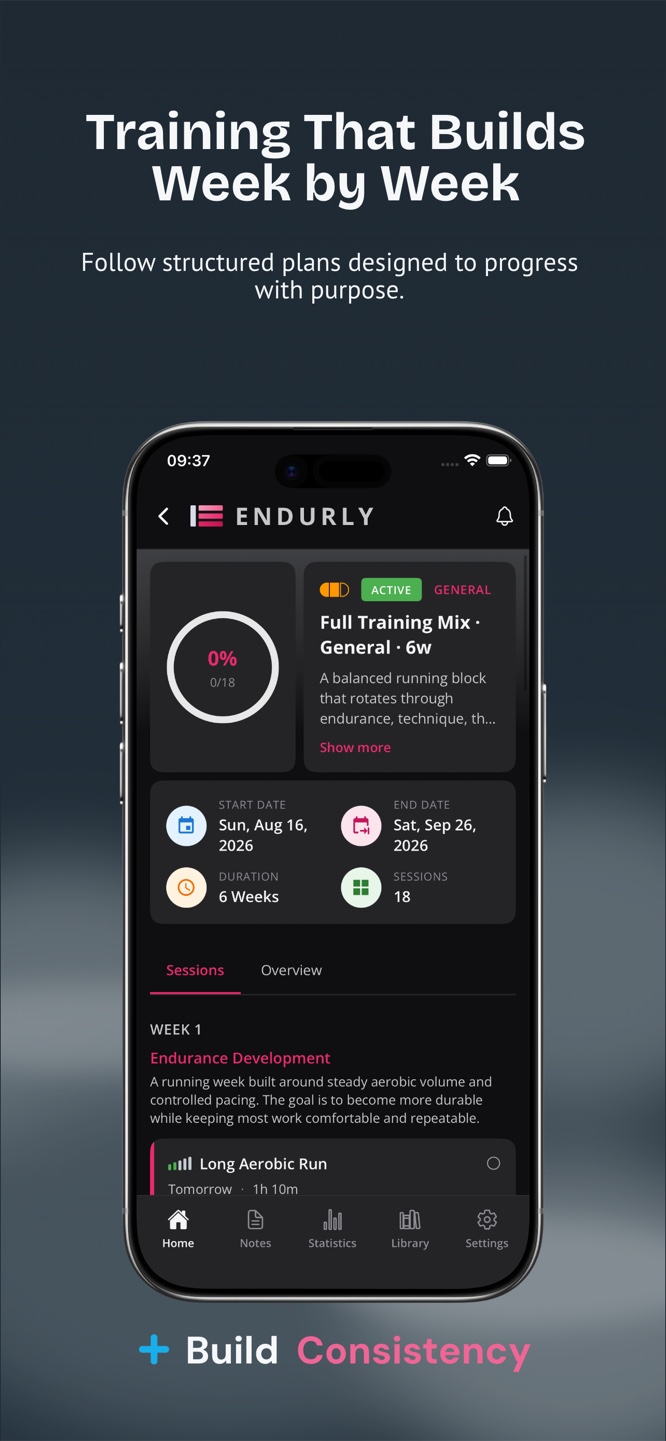
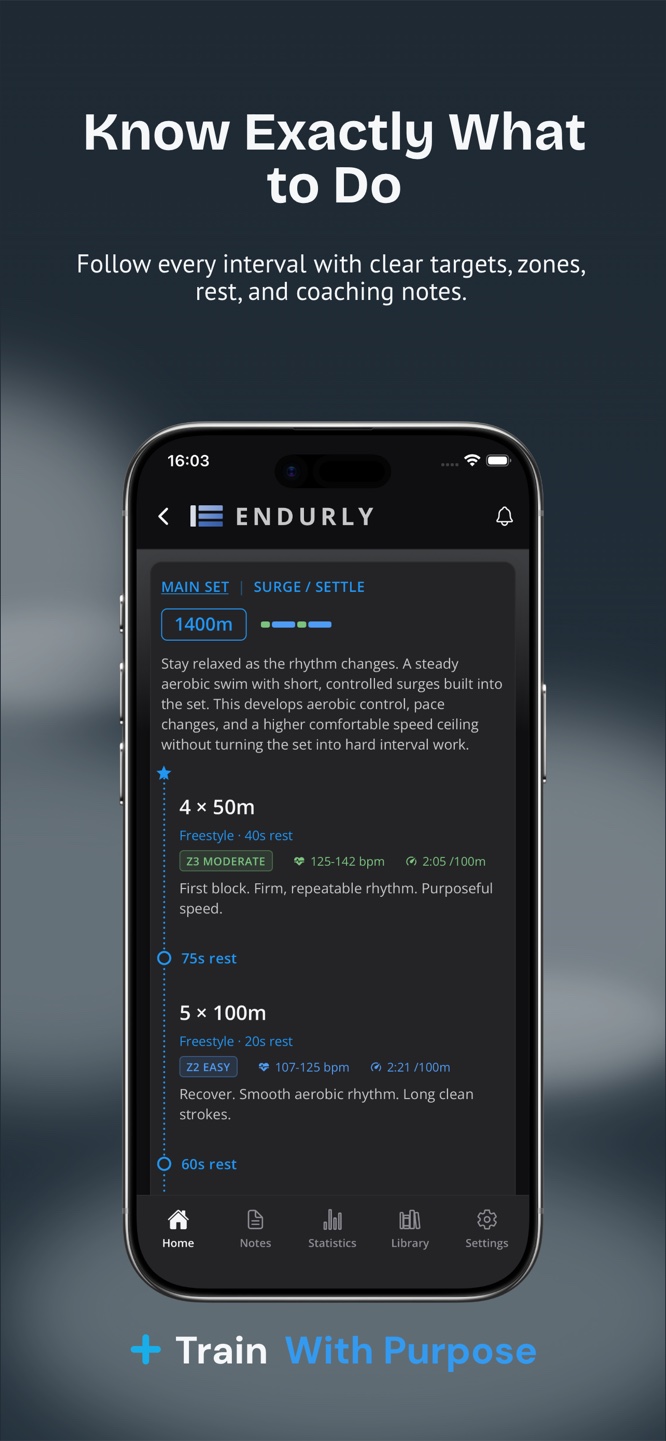
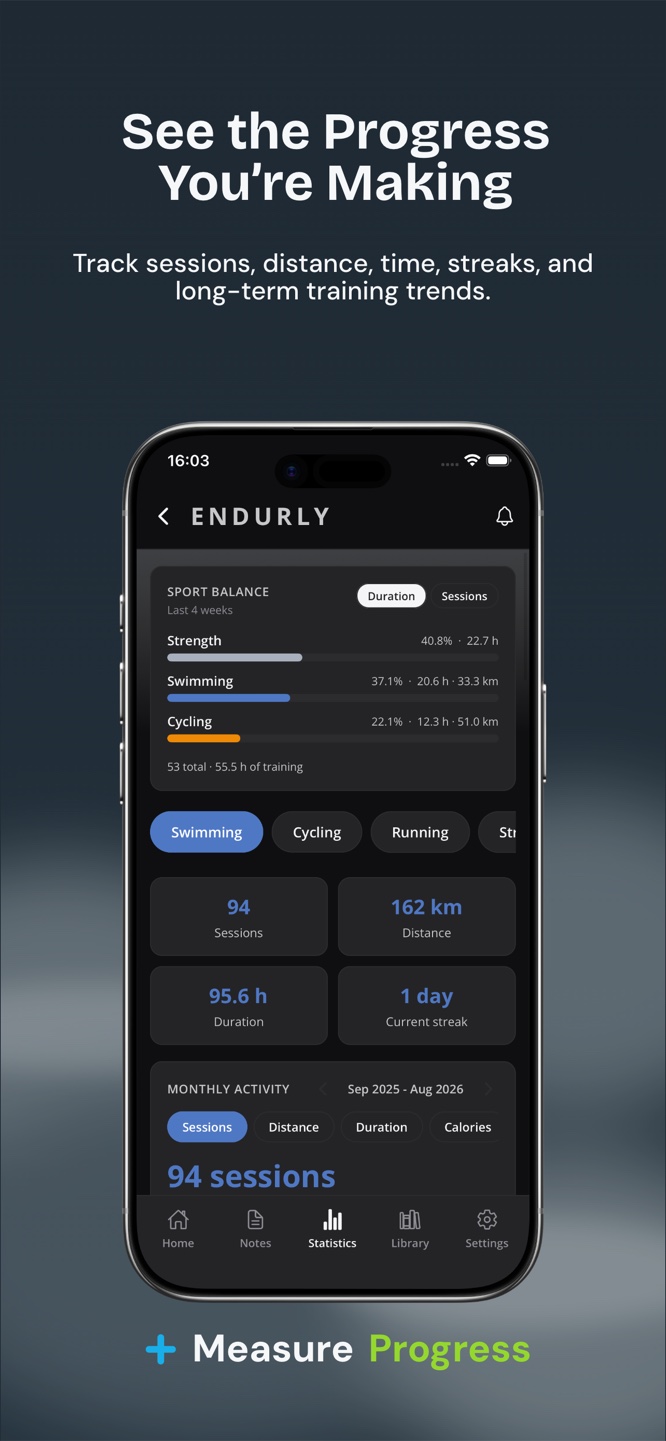
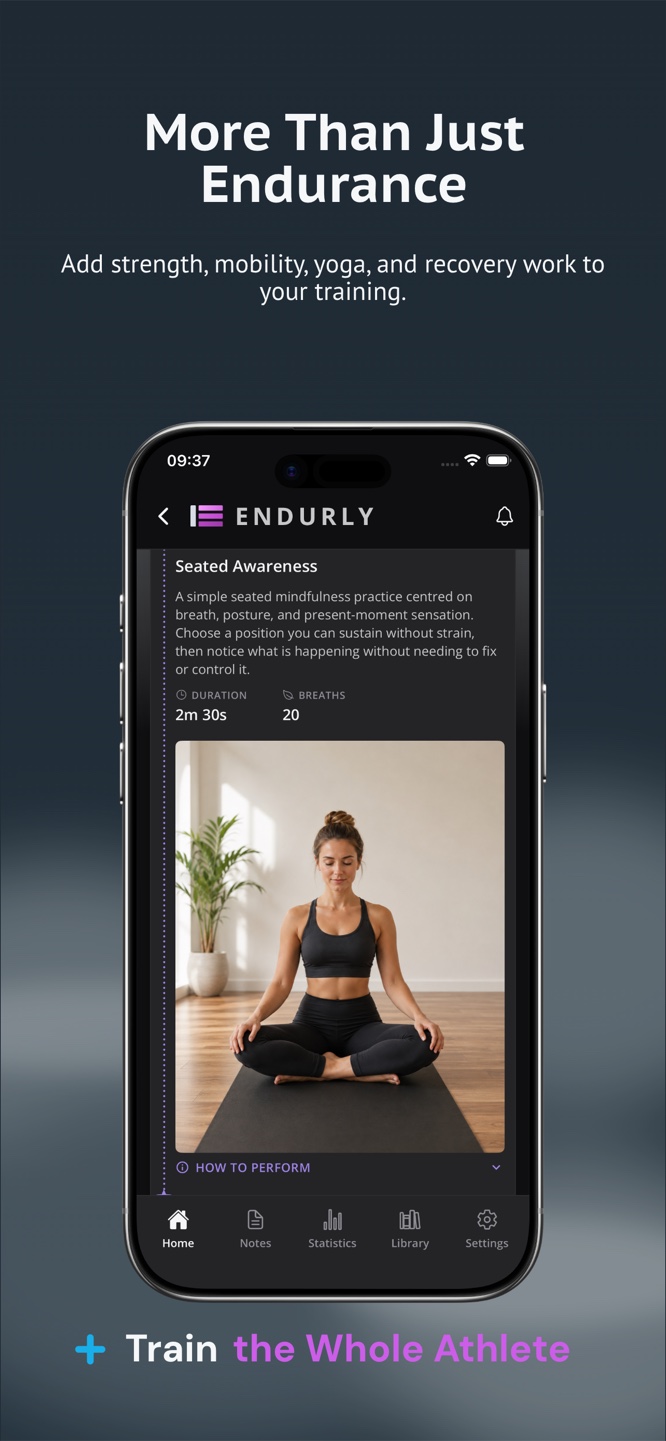
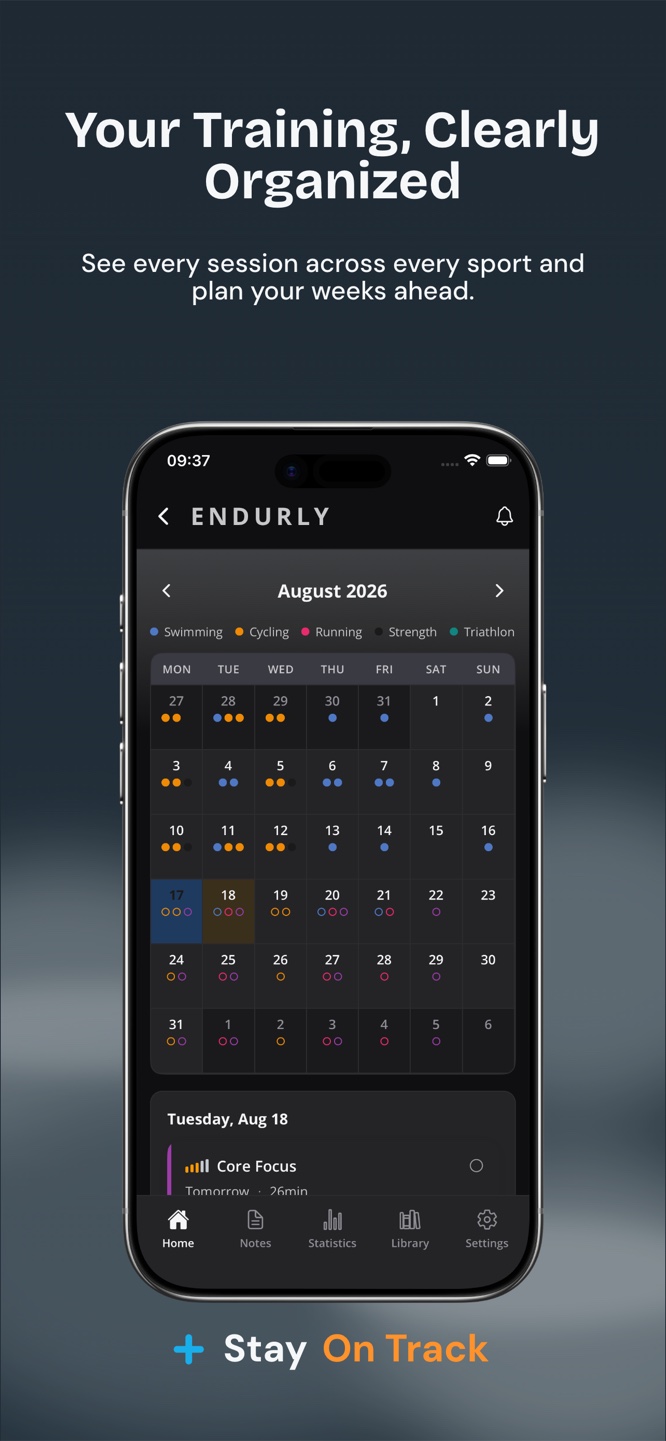
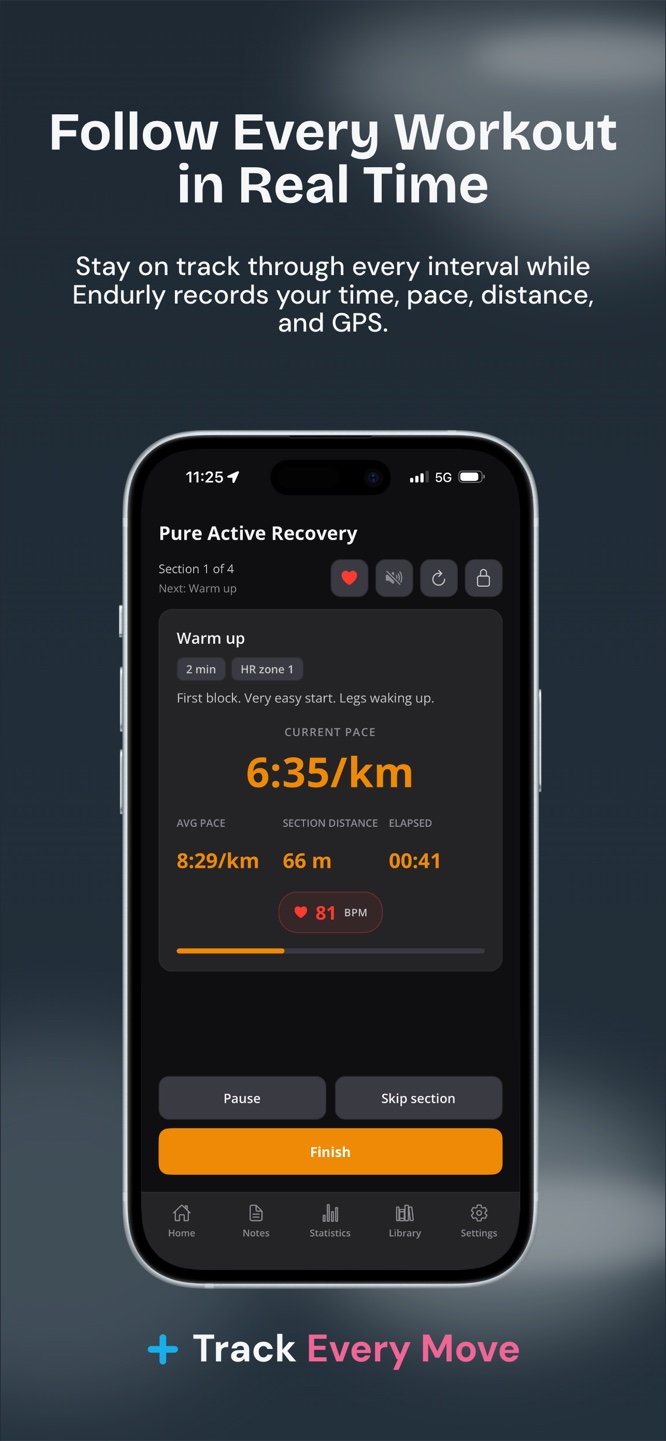
In the tracker
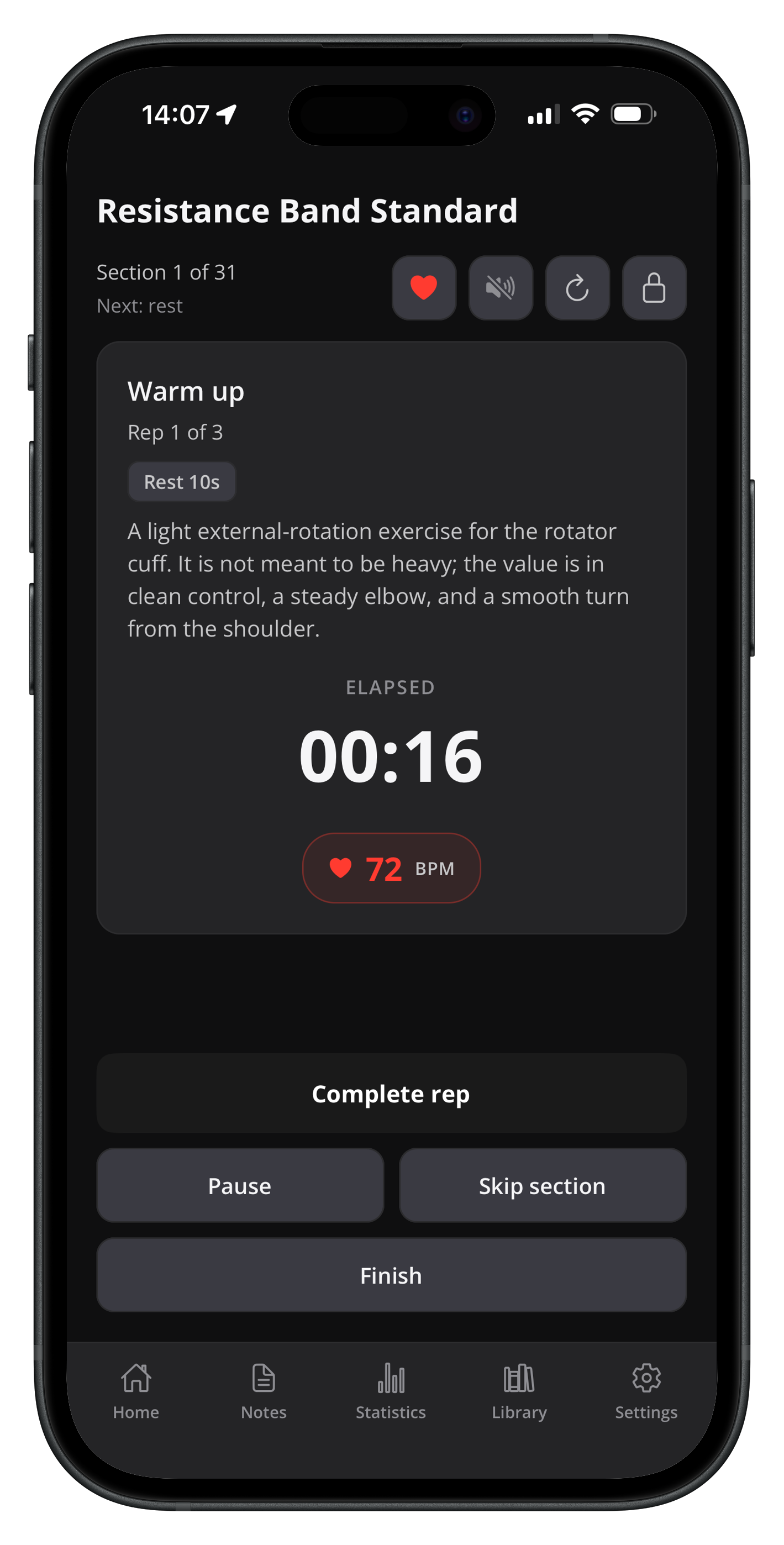
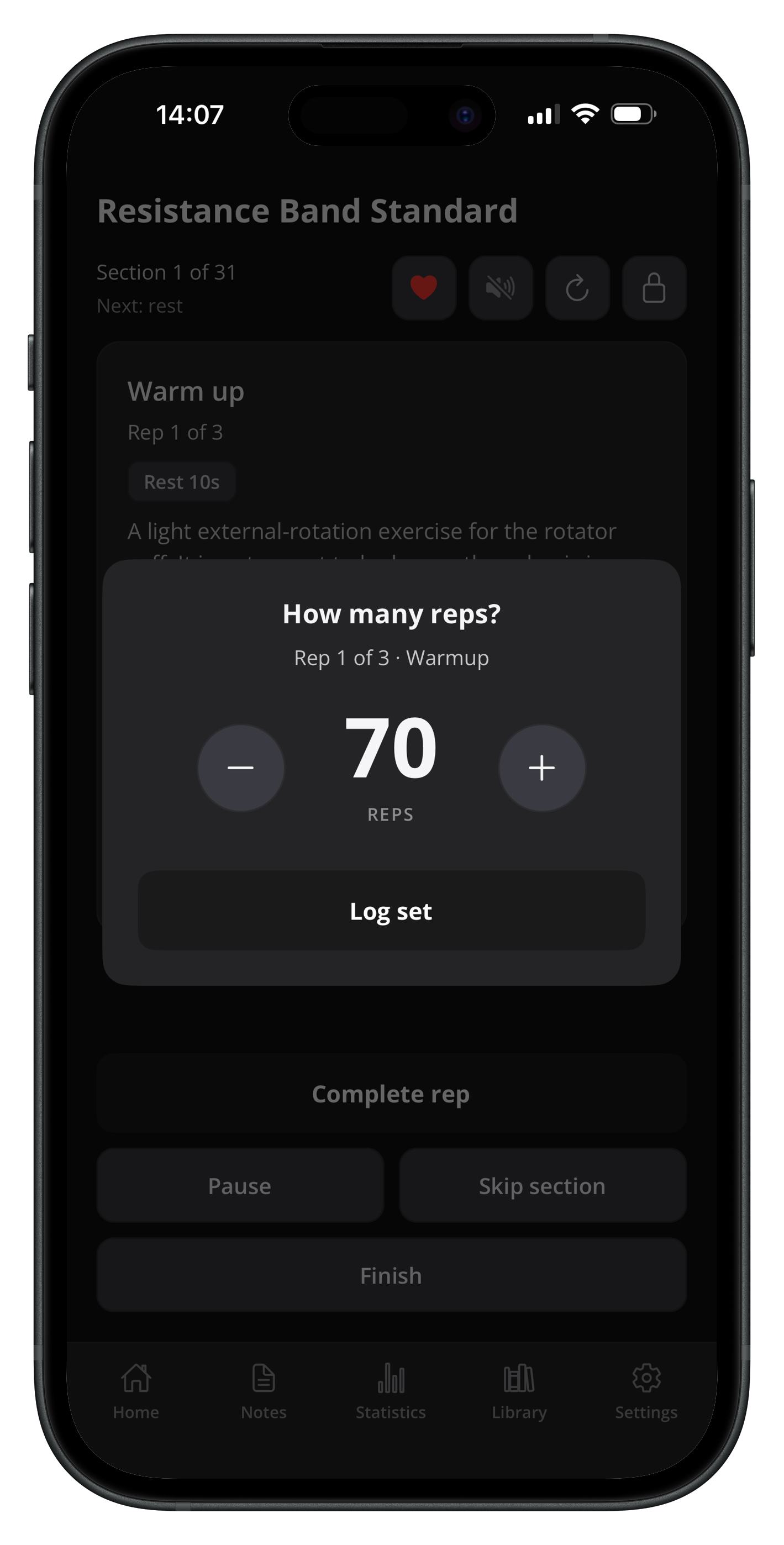
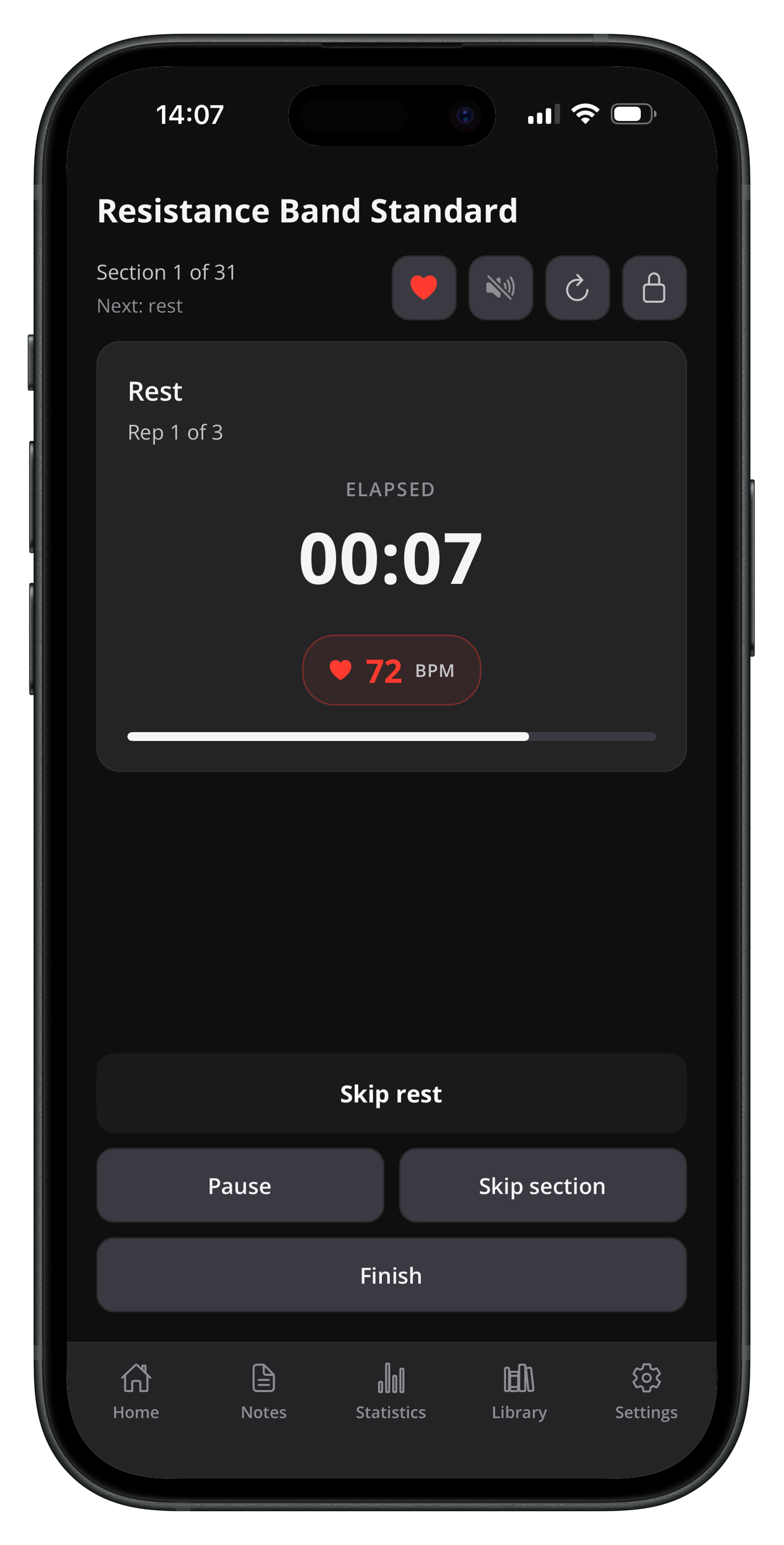
How It Works
Strength, hypertrophy, or general fitness — pick the goal and let the generator choose the right split for your week.
Tell the system what you have: barbell, dumbbells, kettlebells, machines, bodyweight only. Sessions adapt to your gym.
Receive a complete multi-week plan with structured sessions, working sets, accessory work, and progressive loading.
For decades the conventional wisdom held that endurance athletes shouldn't lift heavy because muscle mass slowed them down. The current sport-science consensus is the opposite: well-programmed strength training improves running economy, cycling efficiency, and swim power without meaningful weight gain, and it dramatically reduces injury risk. The mechanism is straightforward — stronger tissue handles the repeated mild trauma of endurance training better, the central nervous system recruits muscle more efficiently at submaximal efforts, and the joints have more support around them. Most amateur runners, cyclists, and swimmers under-do strength work because they don't know how to program it, not because they don't believe it helps. Endurly's strength generator solves the programming problem so the athlete can just show up and lift.
The bigger insight is that strength training for endurance is not the same as strength training for powerlifting or bodybuilding. The volume is lower, the rep ranges are different, the rest periods are shorter, and the priority is movement quality and joint integrity rather than maximal load. A typical Endurly strength session for a runner might be three working sets of squats, three of Romanian deadlifts, three of single-leg push or pull, and core stability work — 30-45 minutes total, twice a week. That's enough to drive real adaptation without eating into the recovery budget you need for the bike, the pool, or the road. The generator picks intensities that respect your endurance load and the deload weeks coordinate with the cardio block deloads.
Older strength templates organized work around muscles — chest day, back day, leg day. Modern programming organizes around movement patterns: squat, hinge, lunge, push (horizontal and vertical), pull (horizontal and vertical), and rotation/anti-rotation core. The shift matters because the body doesn't move muscles in isolation, it moves patterns, and training a pattern transfers to the activities that share that pattern. A strong hip hinge protects a runner's hamstrings on a long run. A strong push pattern stabilizes a swimmer's catch. A strong unilateral squat (lunge, split squat, step-up) corrects the asymmetries that compound over years of cycling on the same dominant leg. Endurly's session generator picks one or two exercises per pattern per session, with the specific exercise chosen from your available equipment.
The pattern-first approach also makes the catalogue substitutable. If your gym has a barbell you might do back squats; if you only have dumbbells you might do goblet squats; if you're at home with no equipment you might do Bulgarian split squats — all three train the same squat pattern. The Endurly generator picks the version that matches your equipment list and your training level, and it rotates between exercises across the block so you don't do the same six lifts for twelve weeks. The recency layer (the same one that handles drill rotation in swimming) keeps the variety in the block honest without sacrificing the underlying pattern coverage. Inside a single session the order matters too: compound lifts come first when the nervous system is fresh, accessory and core work comes later.
There are two main ways to anchor strength intensity. RPE (rate of perceived exertion) describes how close to failure each set lands: RPE 7 means you have 3 reps in reserve, RPE 9 means one rep in reserve, RPE 10 means failure. %1RM anchors to your tested 1-rep max: 70% of 1RM, 80% of 1RM, etc. Both work, both have trade-offs. RPE adapts to daily readiness — when you're under-recovered, the same target weight feels harder and you do fewer reps, which is actually correct. %1RM is more precise for advanced lifters who know their max well, but it doesn't autoregulate for fatigue. Endurly supports both: you set your preference in the athlete profile, and every working set carries the corresponding target. Beginners default to RPE because they shouldn't be testing 1-rep maxes; advanced lifters can choose either.
The %1RM path also includes a re-test prompt every 8-12 weeks because your max changes. After a productive block of strength work, expect a 5-15% increase in big lifts depending on your starting point — beginners gain fastest, intermediate lifters gain meaningfully, advanced lifters gain slowly. Endurly's re-test session walks you through a proper 1-rep test with a coach-style ramp-up and conservative top-set guidance. After the test the new max goes into your profile and the next block scales against it. For lifters who hate testing, the RPE path is just as good — accumulating RPE 8 sets across a block produces almost identical adaptations and skips the testing day entirely. Either way, the intensity is real and personal, not a generic programme that works for nobody specifically.
The hardest part of strength work for endurance athletes is timing. Lift too close to a hard run and the next-day soreness wrecks the easy run. Lift too close to a long ride and the legs are gone before hour two. The Endurly weekly schedule respects these collisions: strength sessions are scheduled on the same day as easy or recovery cardio (so the hard cardio days are protected), and lower-body lifting is spaced from long-run days. The generator also adjusts strength volume during peak cardio weeks — when you're in race-prep mode, the strength sessions drop to a maintenance dose (1-2 sets per pattern, 2x per week) instead of the build dose (3-4 sets per pattern, 2x per week). Lifting doesn't disappear; it just shifts to keep the engine running.
For athletes who want strength as the primary focus rather than as support work, the generator can also build strength-only blocks. The push-pull-legs split runs on a 6-day cycle and works well for athletes lifting 4-6 days per week; the upper-lower split runs on a 4-day cycle for those lifting 3-4 days; the full-body split fits 2-3 short sessions per week and is the right starting point for most athletes new to lifting. Across all splits the progression is the same shape — sets per pattern climb across the build weeks, intensity climbs alongside, and the deload week resets both. After 12 weeks the working weights have moved up and the patterns feel rehearsed; that's the whole point. Strength training is repetition with progressive overload, and Endurly removes the planning overhead so you can spend your time under the bar instead of in a spreadsheet.
Training Insights
Hard training feels productive. But it's not always effective. Progress comes from stress, recovery, and repeat. If you skip recovery, you skip improvement. Easy days are part of the plan — not a weakness.
Intervals stop working when they become random. No structure means no progress. You need clear pace, clear recovery, and clear purpose. If every session feels different for no reason — it's noise, not training.

Most training happens in the middle. Not easy enough to recover, not hard enough to improve. That's the danger zone. Easy days should be easy. Hard days should be purposeful. Avoid the grey zone.
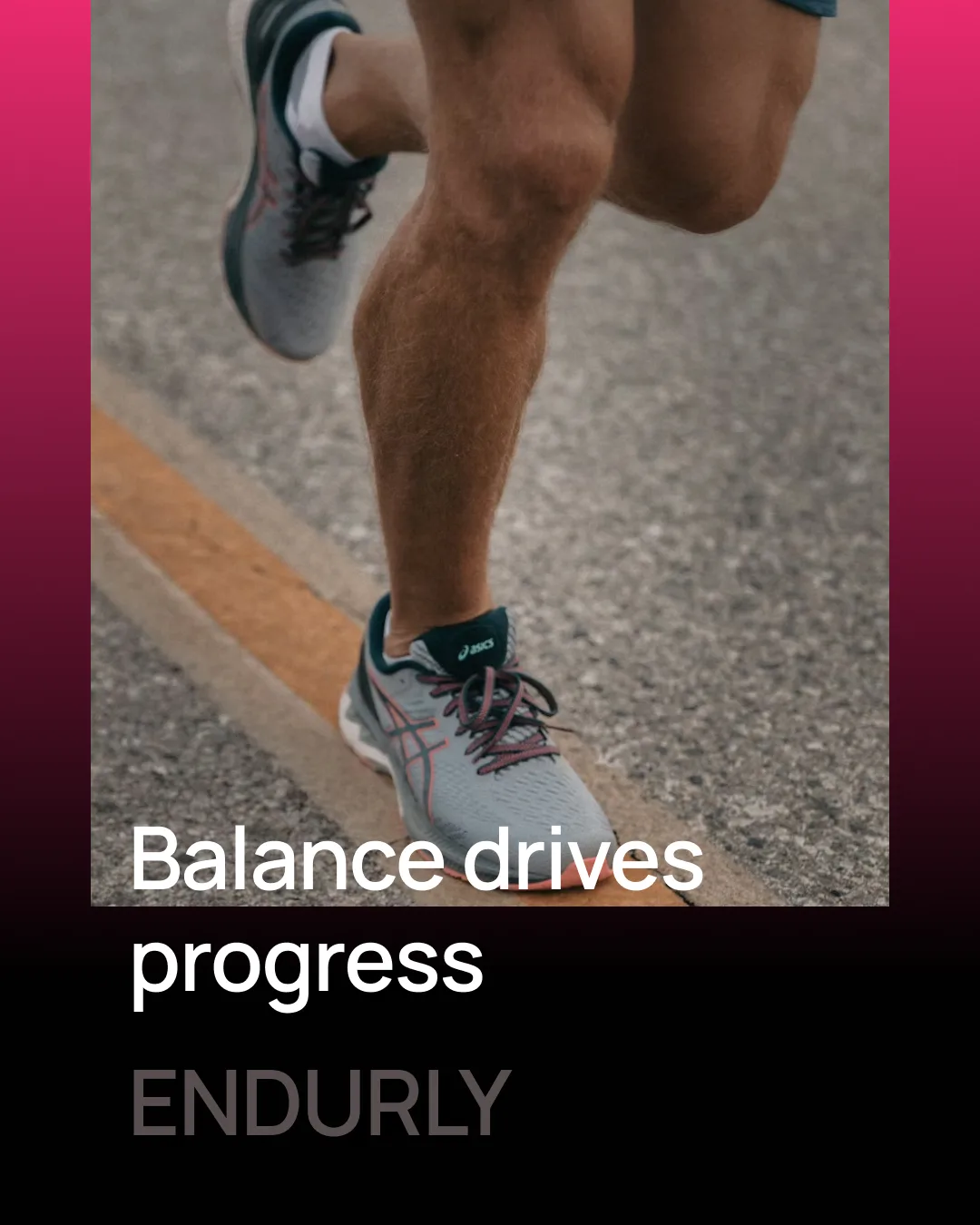
Feeling stuck usually means something is off balance. Too much intensity or not enough structure. Progress needs consistency, recovery, and clear sessions — not just more effort.
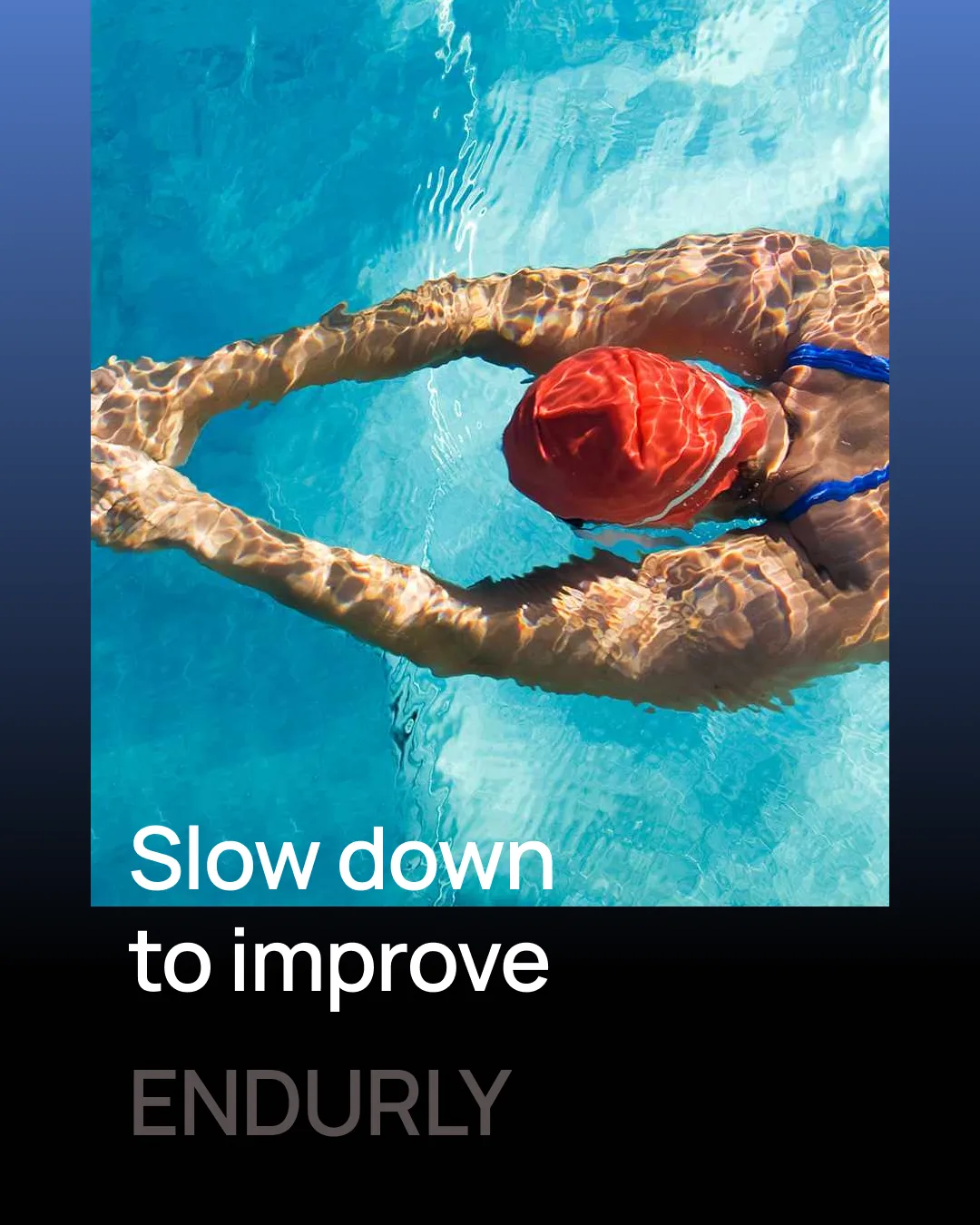
This is the most common mistake. If you can't talk easily, it's not an easy run. Slowing down feels wrong at first. But it builds the base. Run slower. Get faster.
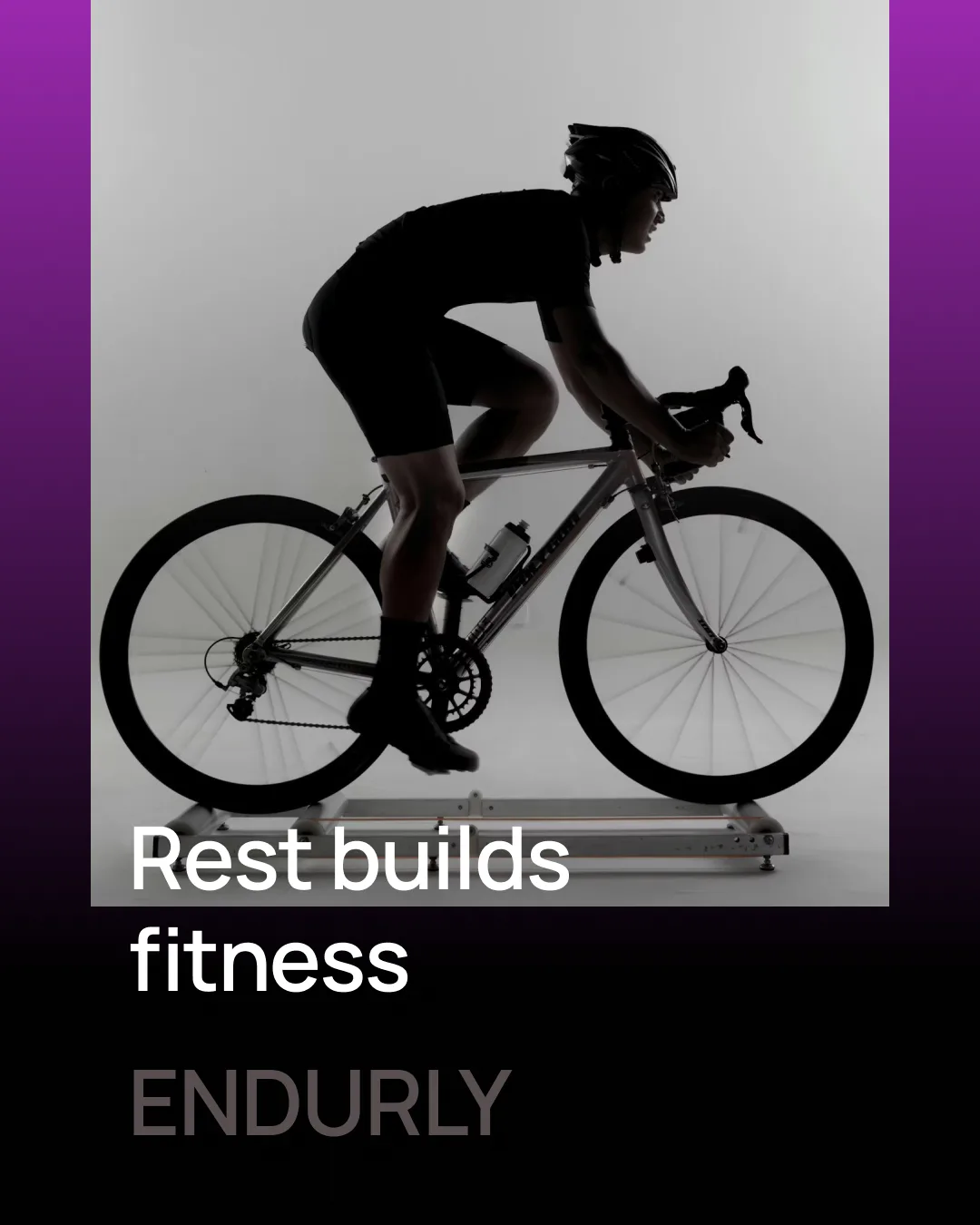
Rest is not doing nothing. It's part of the process. Training breaks you down. Recovery builds you up. Without rest, there is no adaptation. Rest days move you forward.

Motivation comes and goes. Consistency stays. You don't need perfect sessions — you need regular ones. Small sessions done often beat rare perfect workouts. Show up. Repeat.
Yes. Endurly is free to sign up and generate workouts. Optional premium features are clearly marked in the app.
Yes. Pick the beginner training level and Endurly scales every workout to a safe, foundational load with clear coaching cues.
Yes. Endurly exports to Garmin, Suunto, and Wahoo via native integrations and structured .FIT files.
No. Endurly generates a workout without personal zones and progressively personalises as you record sessions.
Create your free account and generate your first strength plan in under a minute.
Start Lifting Free